Sears Catalog Homes: How to Tell If Your House Came From a Kit
Between 1908 and 1940, Sears, Roebuck and Co. sold about 70,000 to 75,000 houses through its mail-order Modern Homes catalog, according to the Sears Archives. Buyers picked a design from a catalog, and a kit of precut, numbered lumber arrived by train, along with nails, windows, doors and instructions. Thousands still stand, and many owners have no idea they live in one.
Here is how to find out if your house came from a kit.
| Sold | 1908 to 1940 (Sears Modern Homes) |
| Number sold | About 70,000 to 75,000 (Sears Archives estimate) |
| Other kit companies | Aladdin, Gordon-Van Tine, Montgomery Ward (Wardway), Lewis/Liberty, Harris Brothers |
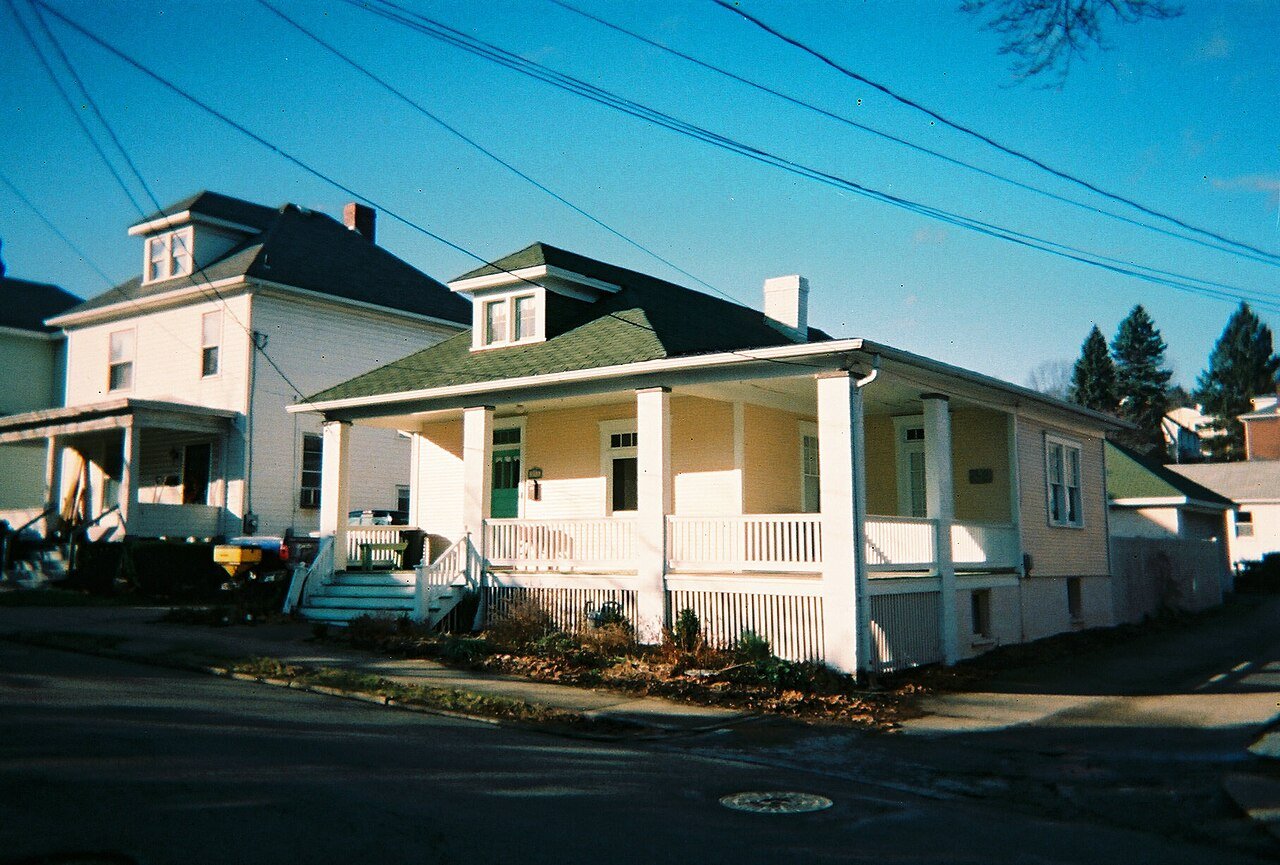
| Typical styles | Bungalow, Foursquare, Colonial Revival, Cape Cod |
| Price range | Several hundred to a few thousand dollars |
How kit houses worked
A family chose a model, often named after a place or a word like “The Vallonia” or “The Crescent,” and ordered it by mail. The kit came in two or more boxcars and could contain tens of thousands of pieces, with framing lumber stamped or labeled to match the blueprints.
Buyers or local builders put it together on their own foundation. Sears also offered financing for many years, which helped families who could not easily get a bank loan, until the Depression led to many defaults.

Sears was not the only one
Aladdin Company of Bay City, Michigan, started earlier, in 1906, and kept selling kits longer than Sears. Gordon-Van Tine, Montgomery Ward’s Wardway Homes, Lewis/Liberty Homes and Harris Brothers also shipped houses across the country.
So if your house turns out to be a kit, it may not be a Sears at all. Many models from different companies looked very similar.
Clues that your house might be a kit
- Stamped lumber: look at exposed joists and rafters in the basement or attic for a letter and number, such as “D 112.” Sears lumber was marked in ink or stamped.
- Shipping labels: check the backs of trim, stair parts and moldings for paper labels or a return address.
- Hardware and fixtures: original door hardware, sinks or tubs marked with Sears or another kit company’s name are strong hints.
- Blueprints or paperwork: old owners sometimes kept plans, letters or mortgage papers from the kit company.
- Matching a catalog design: compare your house with old catalog drawings; watch for the same window spacing, porch, dormers and chimney placement.
- Courthouse records: Sears financed many homes, so deeds and mortgages from the 1910s to 1930s sometimes name Sears, Roebuck and Co. or a Sears trustee.
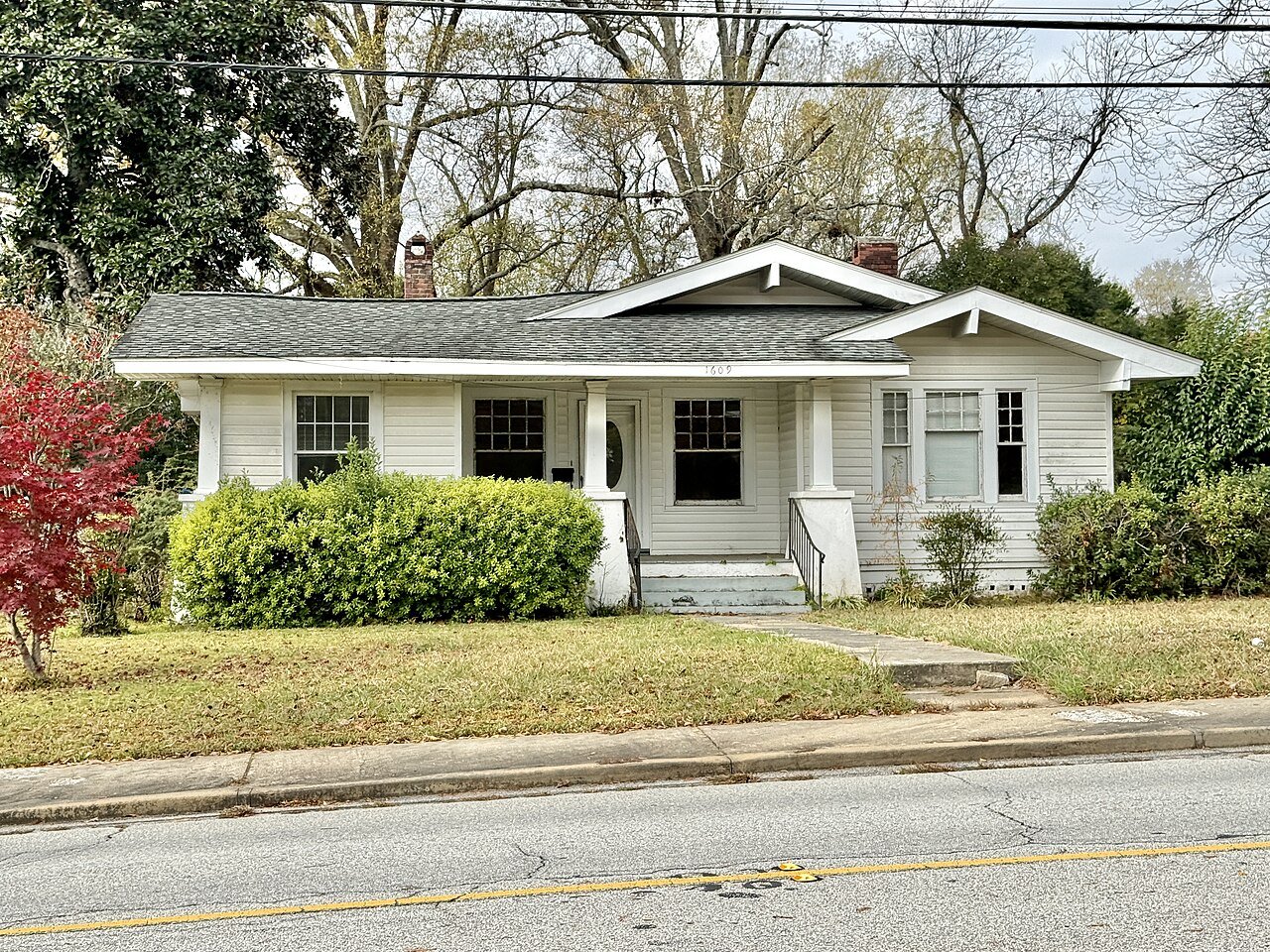
Common catalog styles
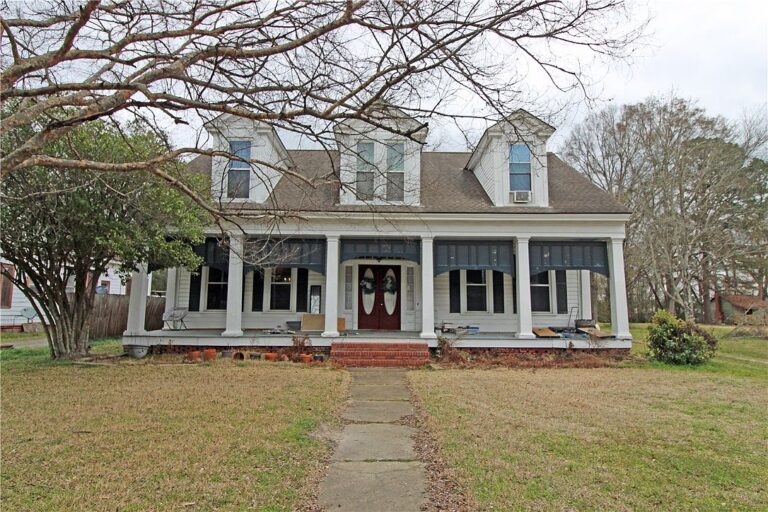
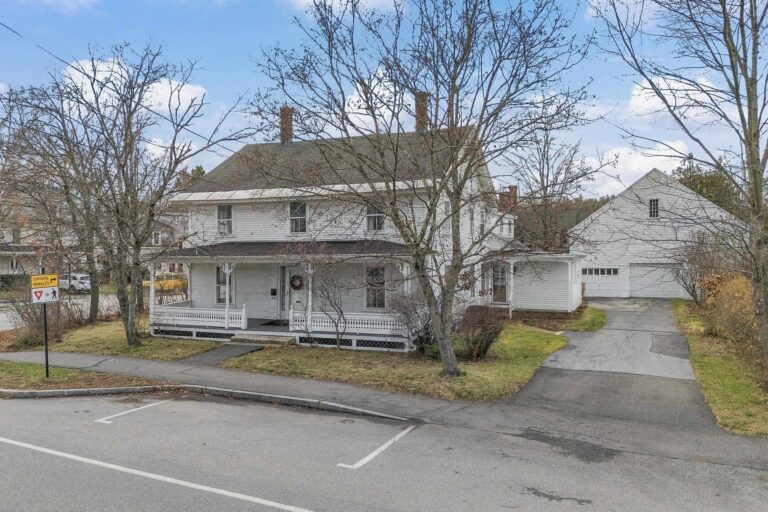
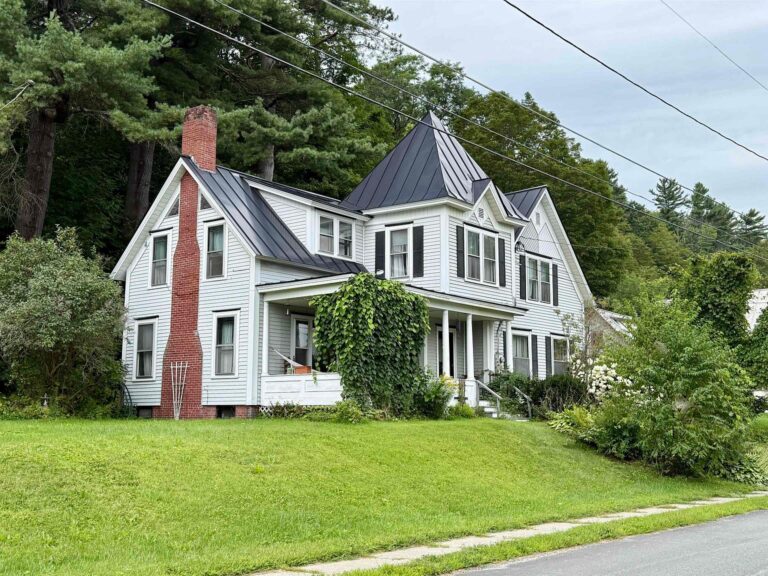
Most kit houses followed the popular styles of their day. Early catalogs had many Foursquares and Craftsman bungalows; later ones added Colonial Revival and Cape Cod designs.
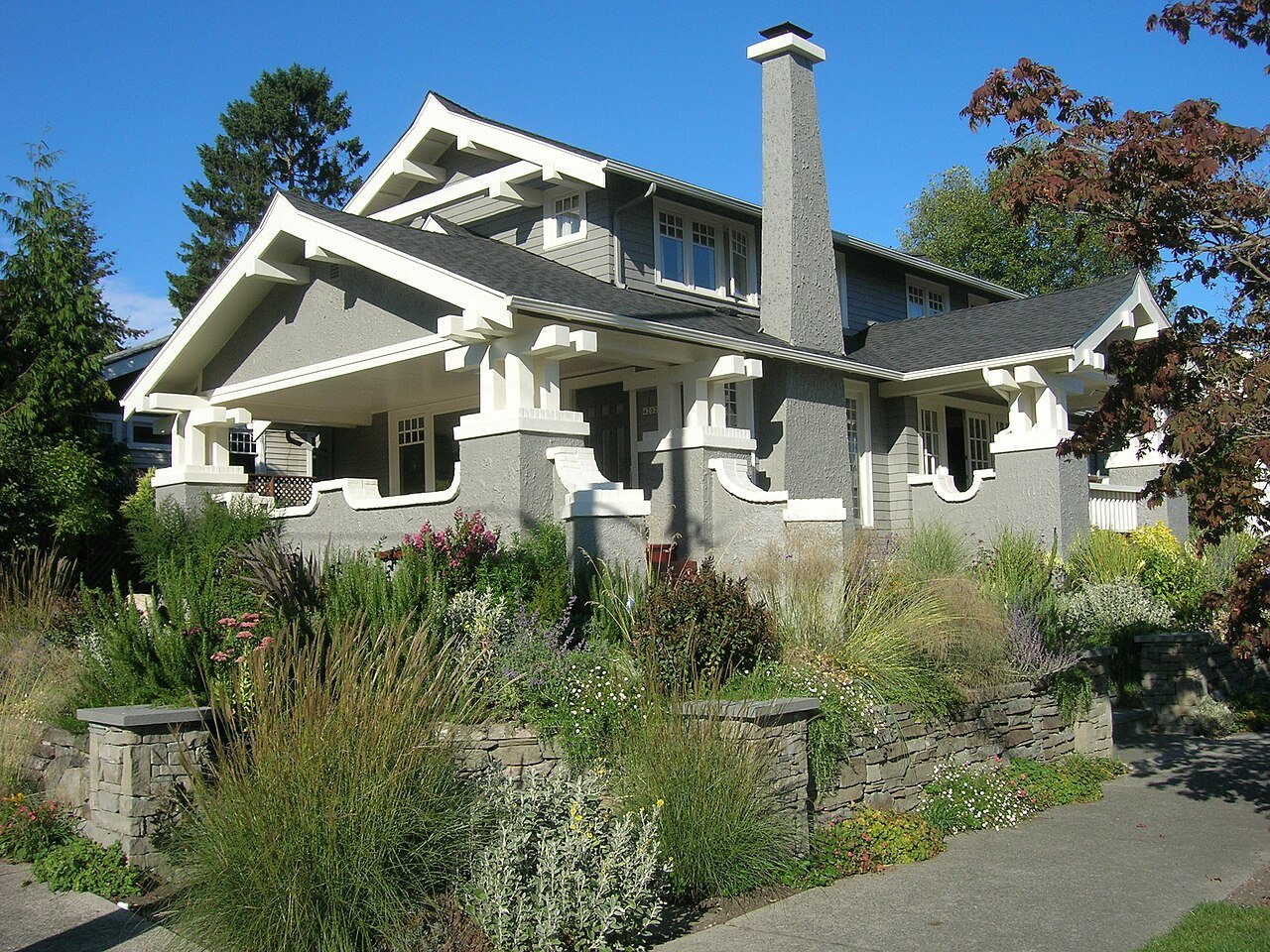
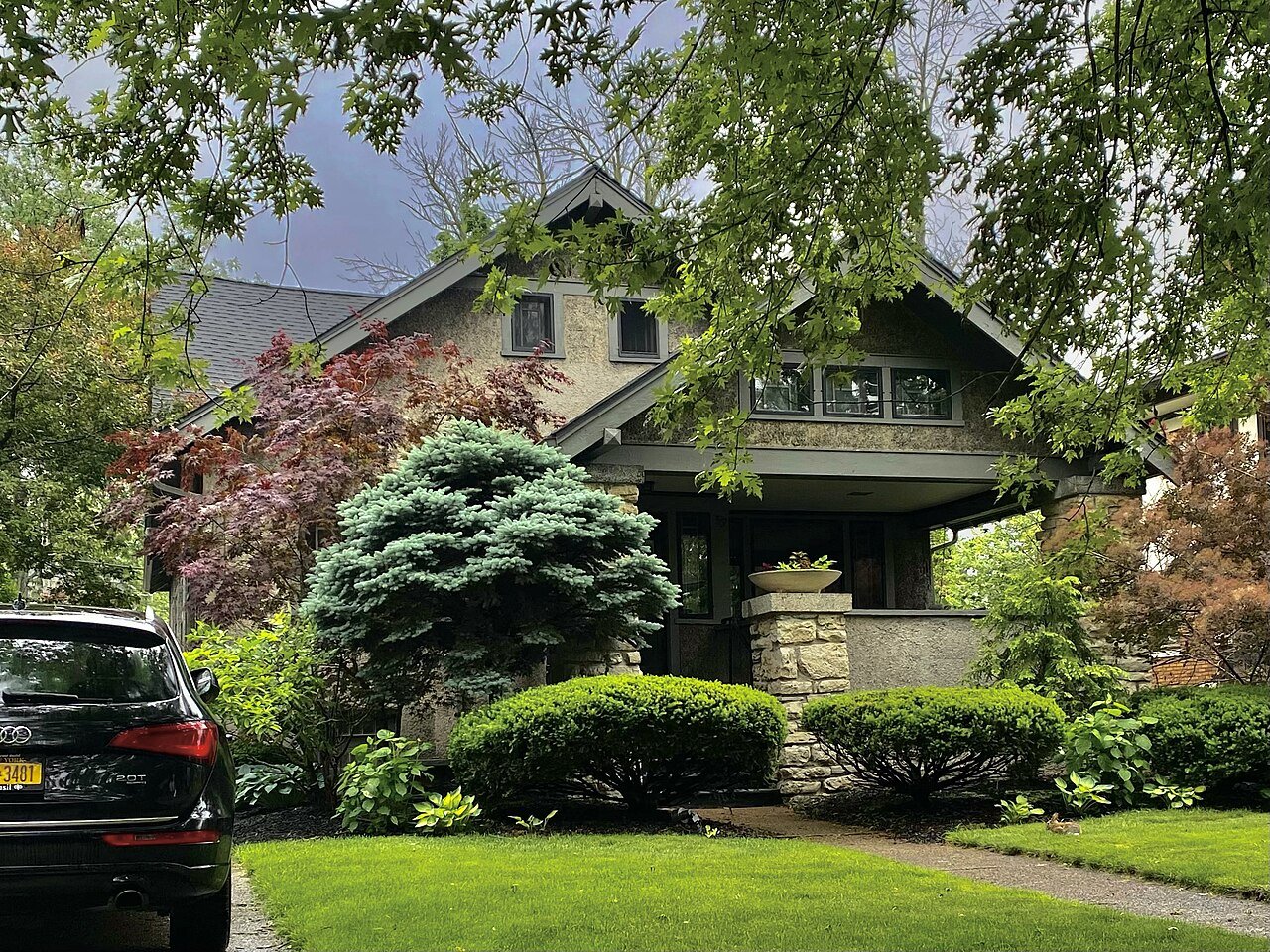
Why it matters
A documented kit house can add interest and sometimes value, and it gives you a clear starting point for restoration, since you can see the original design. Some towns have whole neighborhoods of kit homes, and researchers have built databases to track them.
Be careful with claims: Many houses are called “Sears houses” without proof. A real match needs physical evidence, like stamped lumber or paperwork, not just a similar look.
Buying a kit house
- Quality varies: kits used good lumber, but each house was assembled by different builders, so construction quality varies.
- Foundations: kits did not include foundations, so check what was built underneath.
- Original features: catalog woodwork, built-ins and hardware add authenticity.
- Systems: wiring, plumbing and heating were often added or upgraded later; inspect them carefully.
Frequently asked questions
How many Sears homes are still standing?
No one knows the exact number, but researchers have identified thousands across the country, and many more are unidentified.
How much did a Sears house cost?
Prices ranged from a few hundred dollars for small cottages to a few thousand for large models, not counting land, foundation and labor.
How can I tell if my house is a Sears home?
Look for stamped lumber in the basement or attic, shipping labels on trim, marked fixtures, old paperwork, and a match to a catalog design.
When did Sears stop selling houses?
Sears stopped selling homes in 1940.
Curious which style your house is? Start with our visual guide to American house styles.
Sales figures: Sears Archives, Sears Homes. Image sources and licenses: 1, 2, 3, 4, 5.