

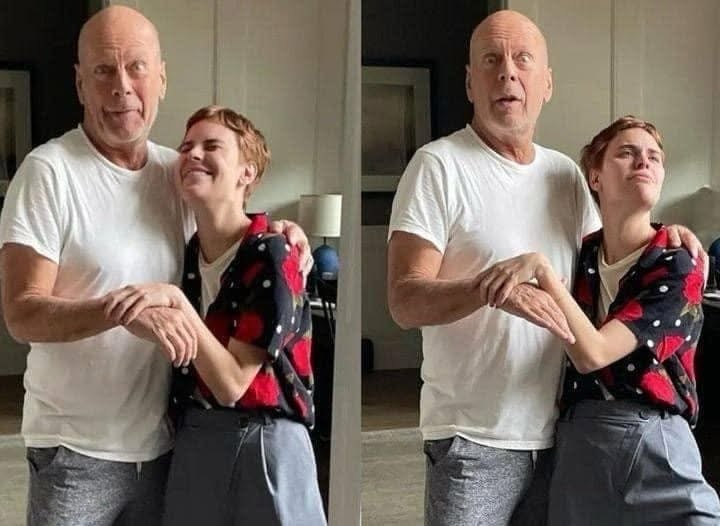
From the outside, the Willis family has always radiated warmth—smiling at premieres, celebrating milestones together, and showing a genuine tenderness that resonated through photographs and online posts.
For decades, fans saw a family rooted in laughter, creativity, and connection. Yet behind the scenes, a quieter and more complex chapter has been unfolding—one that tests not just public identity but the deeply personal bonds of a family already living under a spotlight.
How does a family remain strong when one of the world’s most recognizable faces undergoes a life-changing transition? What does resilience look like when the cameras turn away, and the challenges become profoundly intimate? The Willis family’s journey reveals that even people admired globally for strength and charisma must navigate the same uncertainties, fears, tenderness, and courage that shape every family’s experience with illness.
Their story is not one of tragedy but of transformation—an evolving portrait of love, caregiving, and the extraordinary ways families support one another when life takes an unexpected turn.
1. Bruce Willis: From Hollywood Icon to a New Chapter of Life
To understand the emotional weight behind the family’s experience, one must first appreciate the magnitude of Bruce Willis’ presence in modern culture. For decades, he wasn’t simply a movie star—he was a cinematic force. Through roles in Die Hard, The Fifth Element, The Sixth Sense, Moonlighting, and countless others, he crafted characters that blended humor, courage, and a rugged vulnerability audiences adored.
He was the hero who laughed in danger’s face, the father whose heart always showed through the action, the everyman with a disarming grin. His career is woven into the fabric of global film history.
But behind those iconic roles, the family began noticing subtle changes—moments that felt different, shifts that didn’t align with the Bruce they knew so intimately. After many conversations with medical professionals, the family collectively made a decision that prioritized love, health, and dignity: Bruce would retire from acting.
When the Willis and Heming Willis families announced this step back from Hollywood to address cognitive health challenges, fans responded with unprecedented warmth. Support poured in from around the world. The announcement wasn’t just news—it was a reminder that even the strongest public figures face personal trials.
Later, when the family shared that Bruce had been diagnosed with a form of frontotemporal dementia (FTD), the compassion only deepened. People recognized the courage it took to share such vulnerable information thoughtfully and respectfully.
2. The Hidden Emotional Landscape of Cognitive Health Challenges
When a loved one begins to experience cognitive changes, the adjustment reaches into every corner of family life. Dementia is not simply a medical condition; it affects communication, routines, moods, and relationships. Families must learn, adapt, restructure, and sometimes grieve parts of the past while remaining anchored in love for the present.
Some universal emotional experiences include:
A complex form of grief—not for a person lost, but for subtle changes in daily connection
The stress of caregiving logistics—routine planning, safety adjustments, and medical appointments
own needs with the role of caregiver
Shifts in relational roles—children becoming caretakers, partners becoming advocates
Protecting dignity—ensuring the individual feels respected, valued, and supported
The Willis family has approached these challenges with profound unity. Their public messages emphasize one theme repeatedly: Bruce’s comfort, joy, and well-being remain their guiding priority
3. Mental Health, Emotional Resilience, and Family Adaptation
Long-term health transitions reveal deep truths about emotional resilience. Even famously strong families like the Willis clan experience moments of fear, overwhelm, or uncertainty. Resilience doesn’t mean perfection—it means finding strength in the midst of real human emotion.
In families navigating cognitive illness:
Some members take on practical caregiving roles
4. Tallulah Willis: A Voice of Honesty and Heart
Tallulah Willis has become an especially important voice in the family’s public narrative—not because she shares private details, but because of her openness about mental health, personal growth, and emotional self-awareness.
She has spoken candidly for years about:
Her emotional development
Her reflections on family relationships
Navigating self-image and personal identity
Learning self-care and emotional balance
Her deep affection for her parents and siblings
Her honesty has resonated deeply, helping many people feel less alone in their own struggles. It’s important to acknowledge:
The family has not released any crisis-related statements about Tallulah
There are no verified reports suggesting severe personal issues
Public concern stems from empathy, not fact
The respectful response is to honor her privacy while appreciating her courage in discussing emotional well-being—a topic that remains stigmatized for many.
5. The Family’s Unifying Messages: Love, Gratitude, and Togetherness
Throughout this chapter, the Willis and Heming Willis families have reinforced messages of compassion, solidarity, and heartfelt gratitude. Their expressions often highlight:
Thankfulness for public support
Dedication to Bruce’s comfort and happiness
The importance of managing cognitive health with grace
The value of spending meaningful time together
Emphasis on love, understanding, and connection
Their words reflect a family choosing unity and empathy over fear or fragmentation.
6. A Story Millions Can Relate To
Although the Willis family is highly visible, their journey reflects experiences shared by families across the globe. Caring for loved ones with cognitive changes is an emotional reality for millions.
Some universal aspects include:
The tug-of-war between hope and worry
The deep emotional bonds that tighten during hardship
The need for community or professional support
The rediscovery of joy in simple, familiar moments

