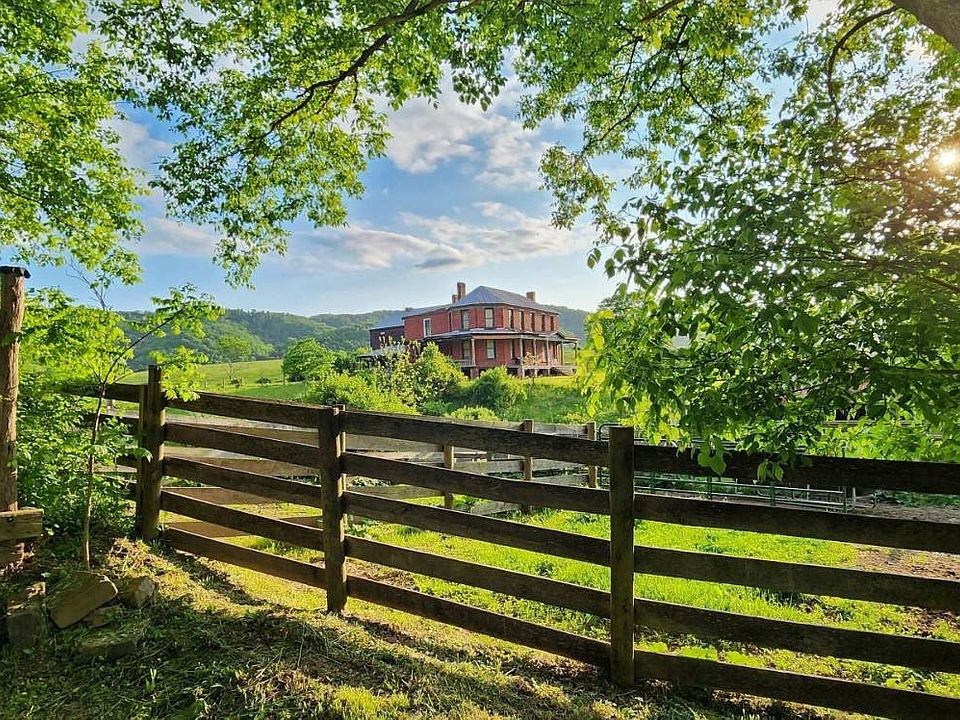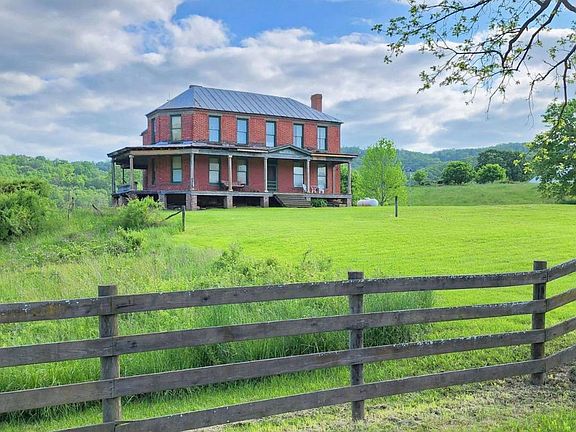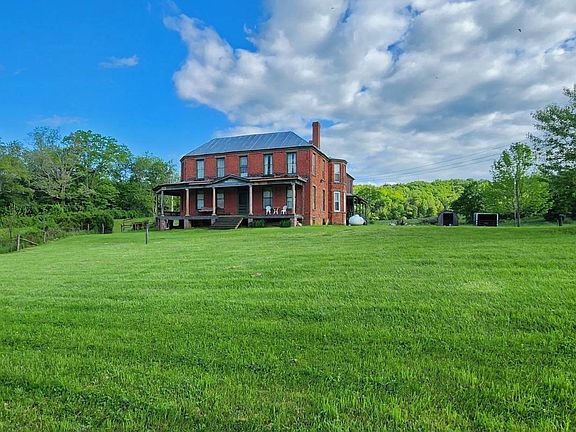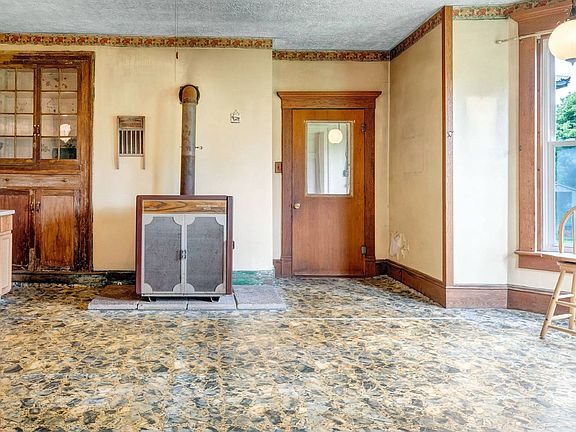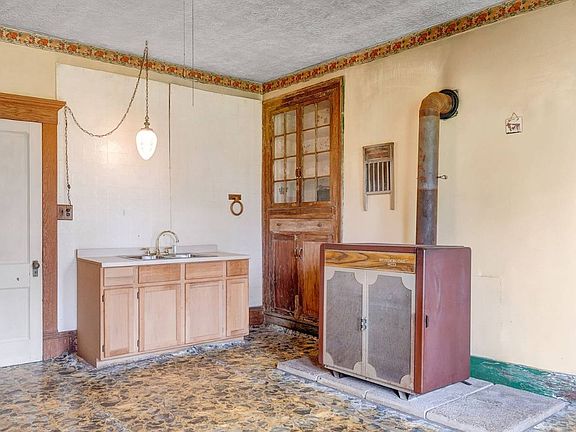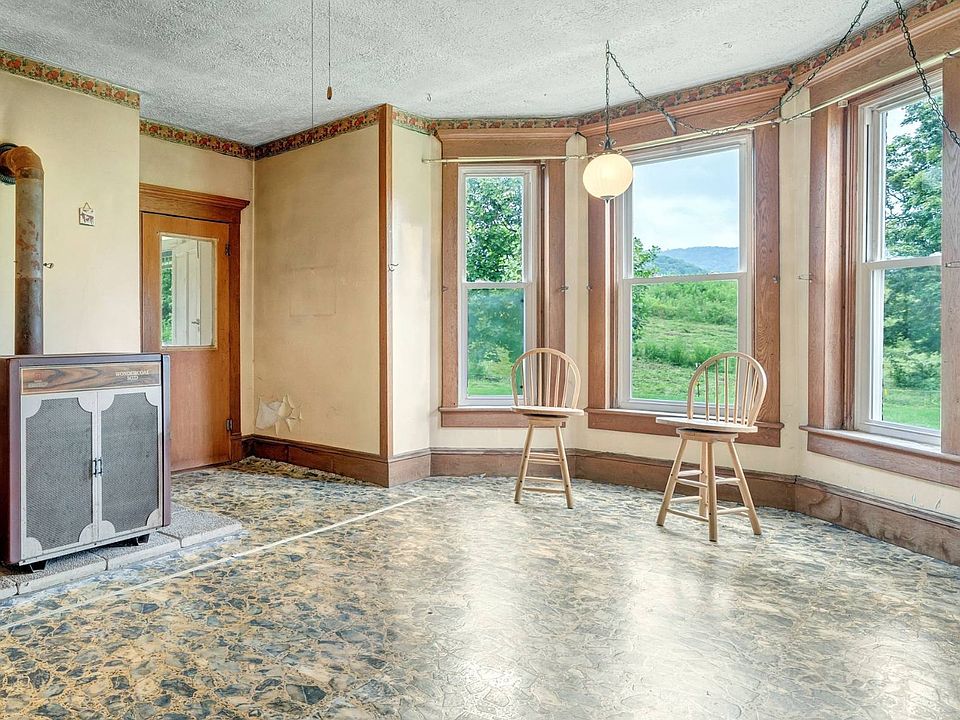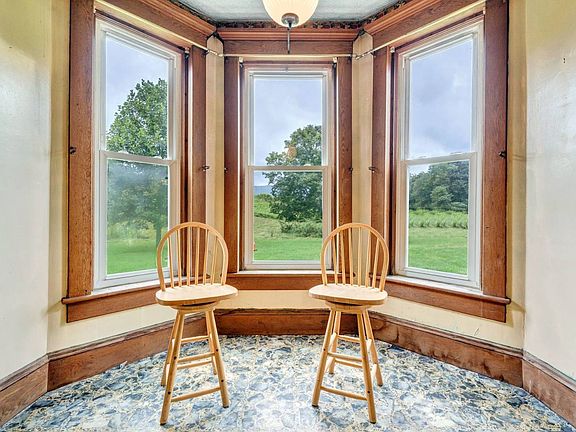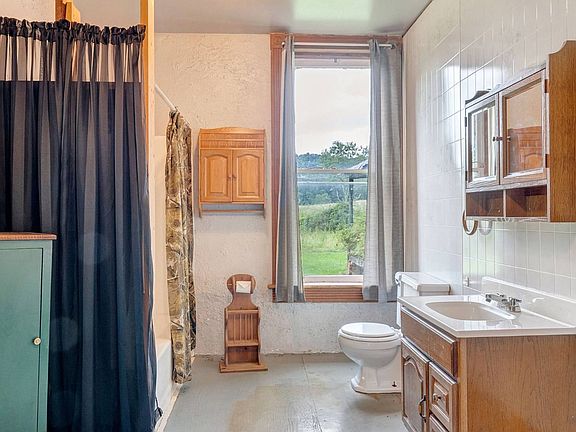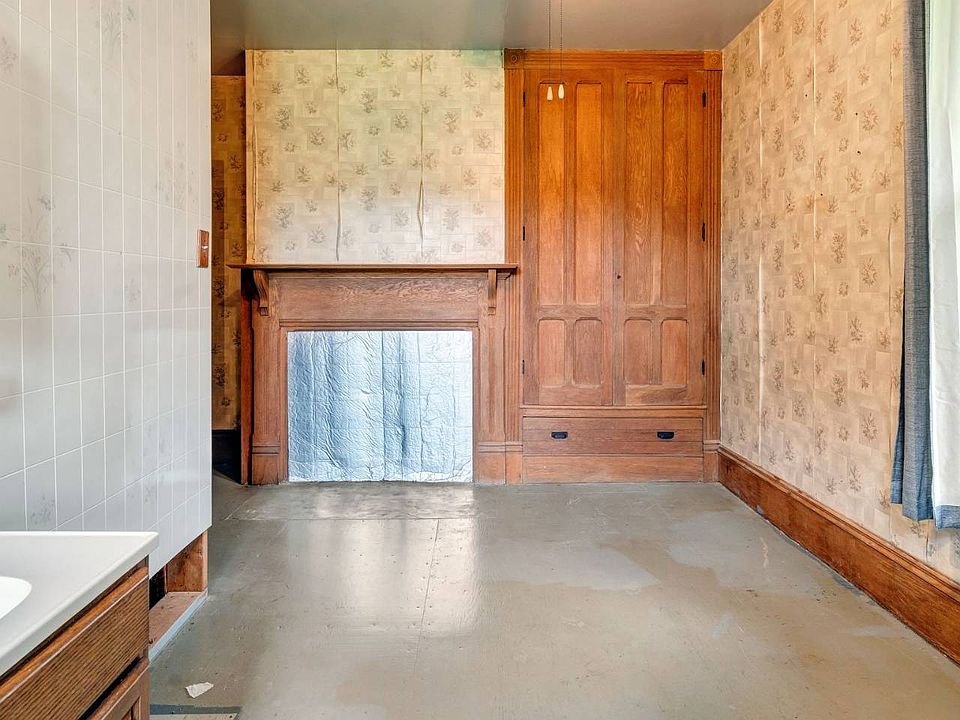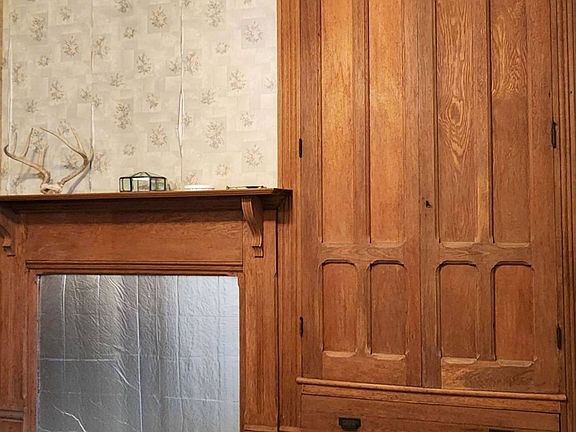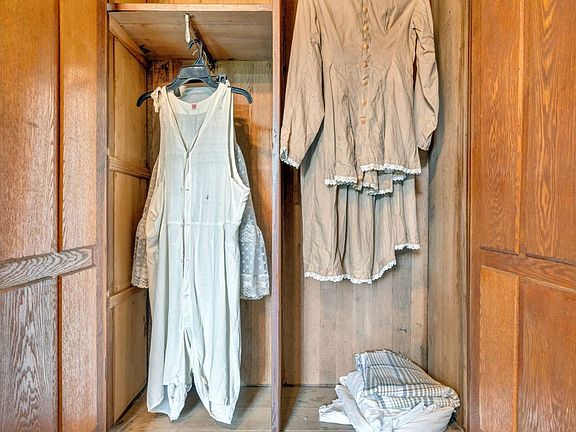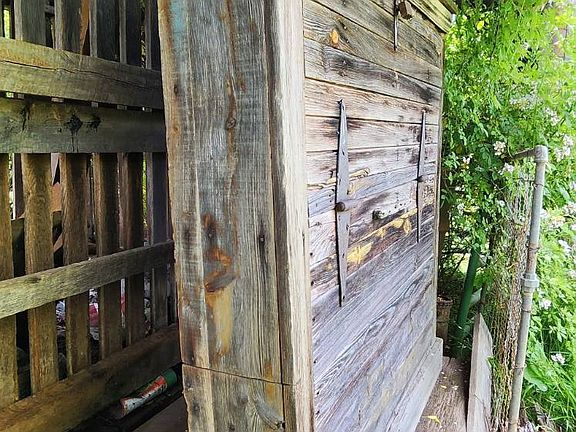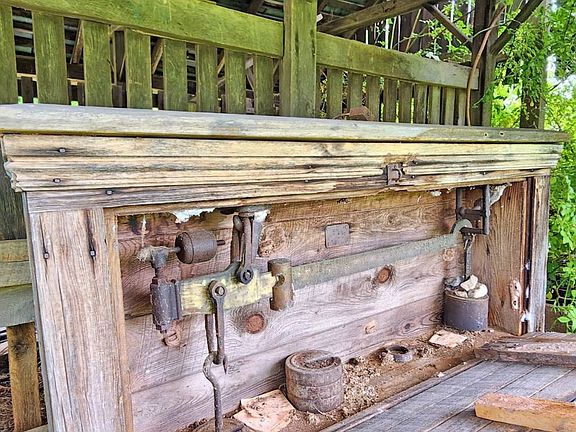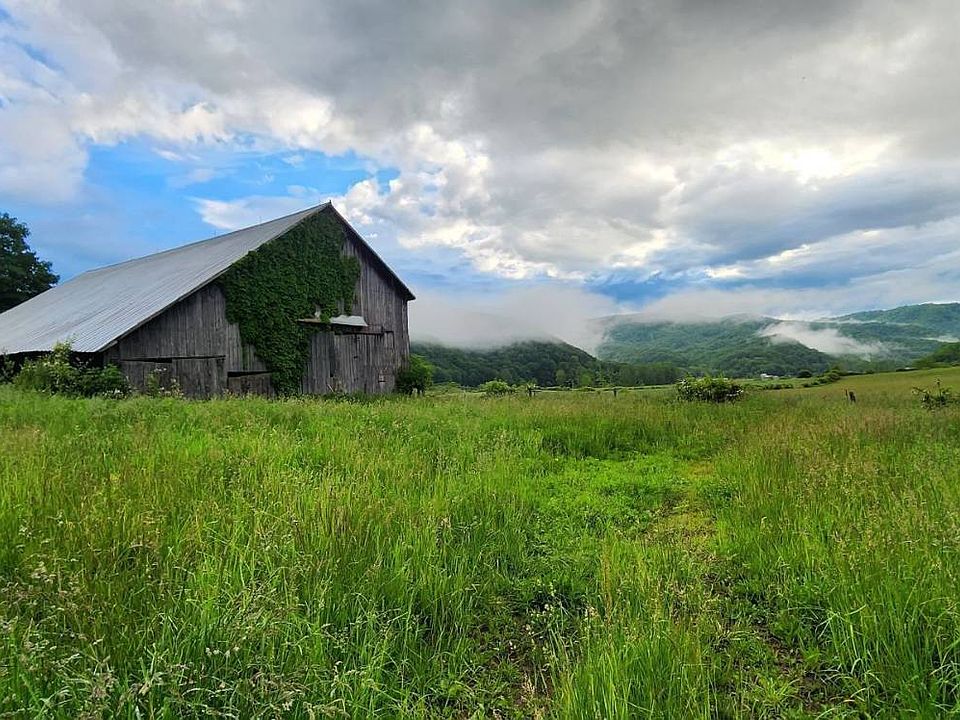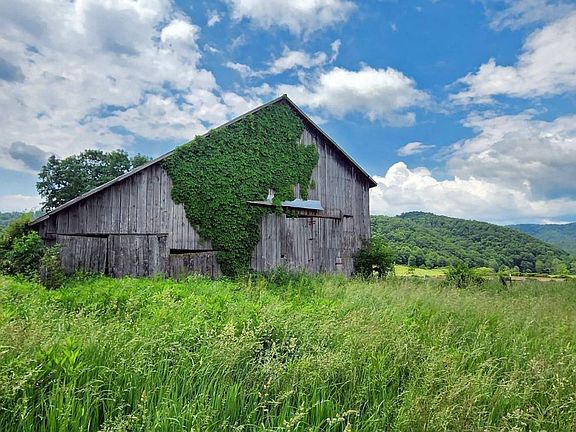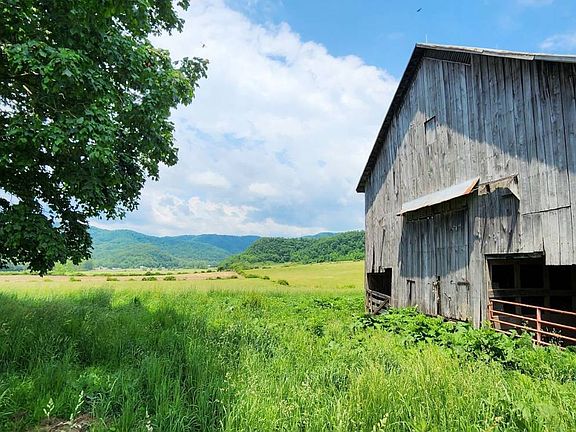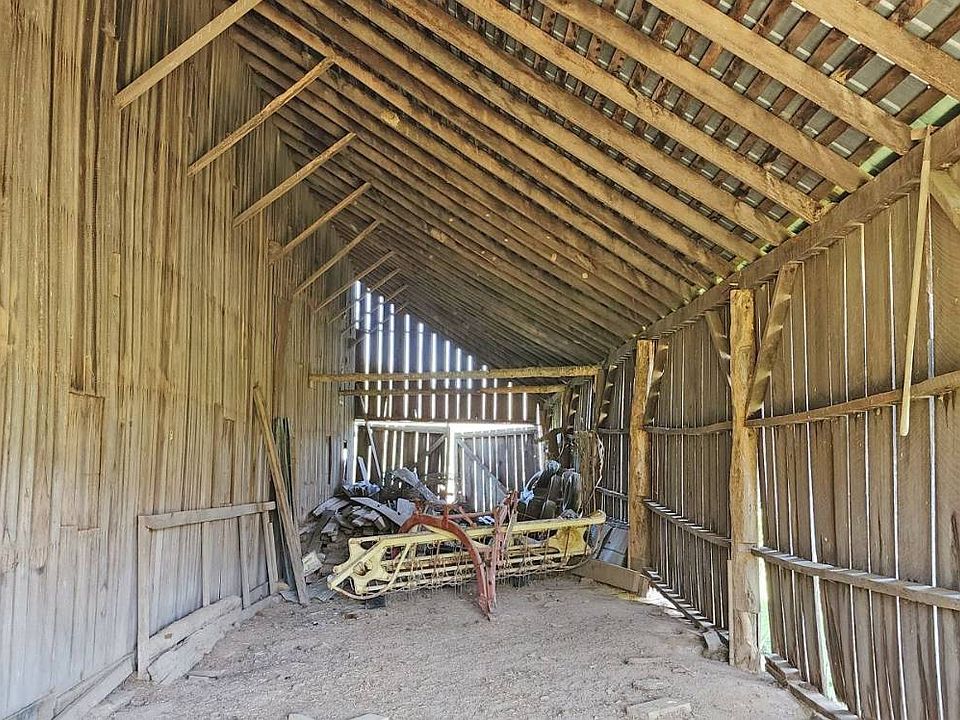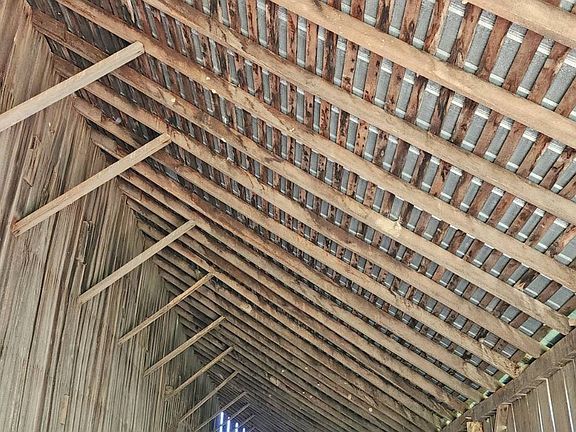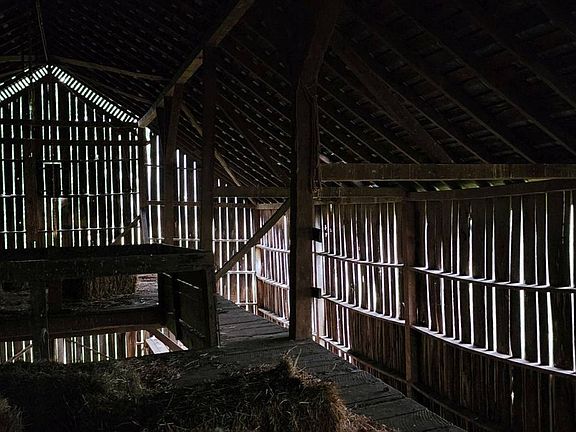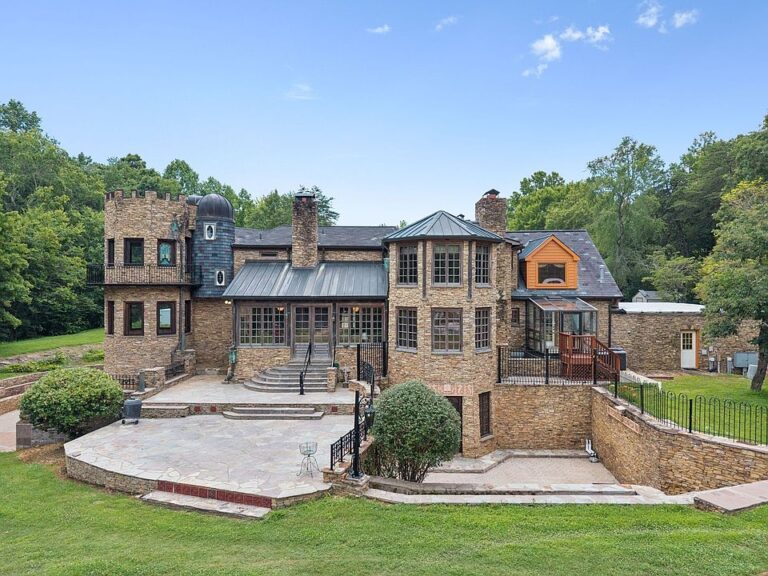
Historical masterpiece and 48 acres! C. 1840 in West Virginia. $699,000.
Property Overview & Main Features
Location and Value
- Address: 3789 Spring Valley Rd, Alderson, WV 24910
- Price: $699,000
- Property Type: Historic Farm / Single Family Residence
- Square Footage: 4,028 sq. ft.
- Lot Size: Approximately 48.6 Acres
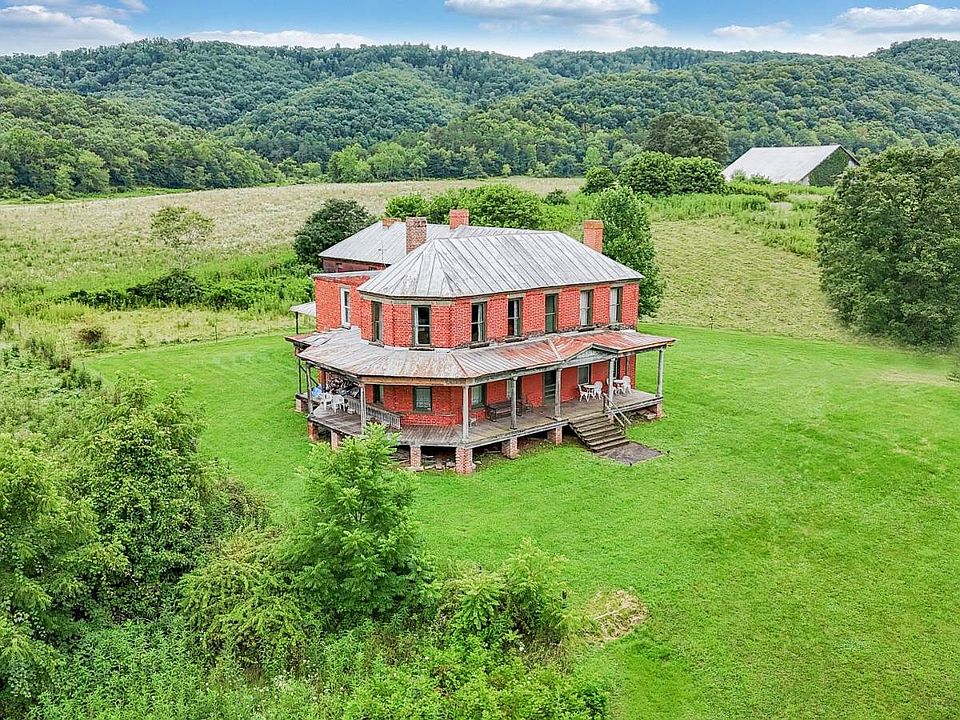
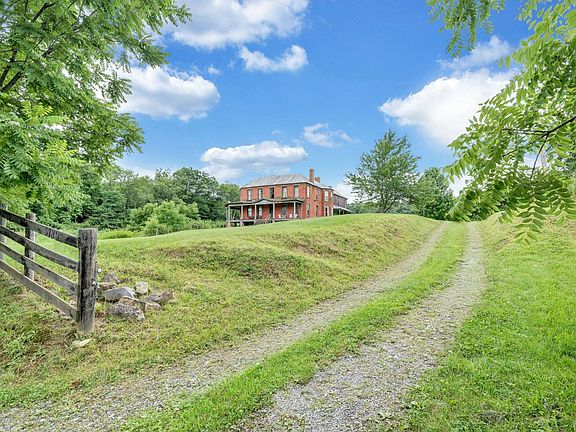
This remarkable estate offers a blend of historical significance and vast acreage in the heart of West Virginia. It is a truly unique residence for sale that combines a massive 4,000+ square foot layout with nearly 50 acres of beautiful rolling land.
Historical & Architectural Details
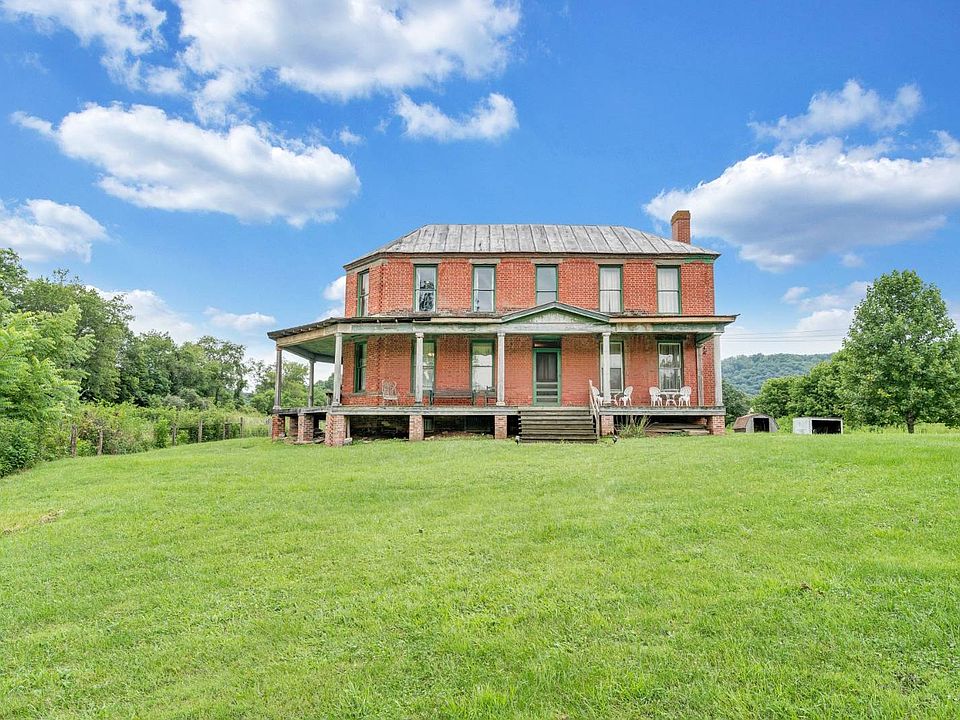
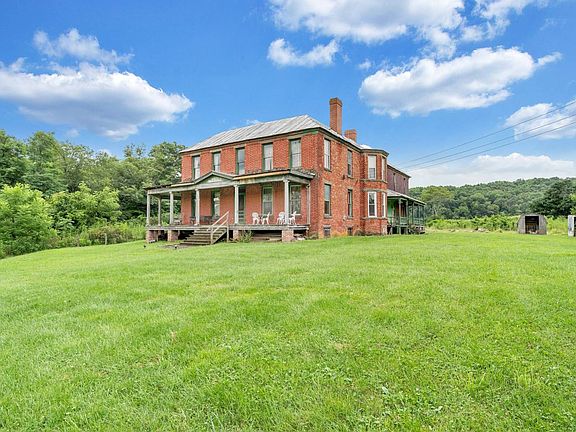
- Year Built: 1840 (known as “The Brick House”)
- Architectural Style: Adam Style / Colonial
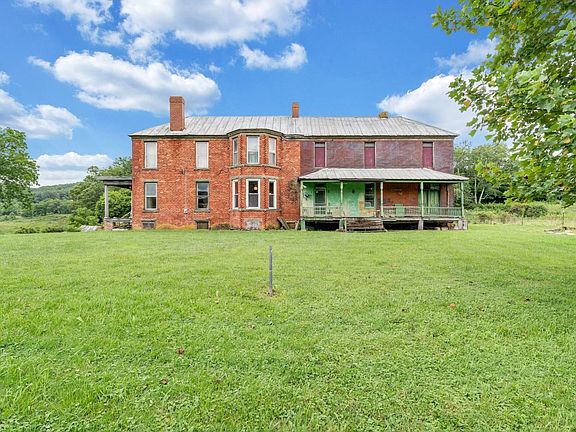
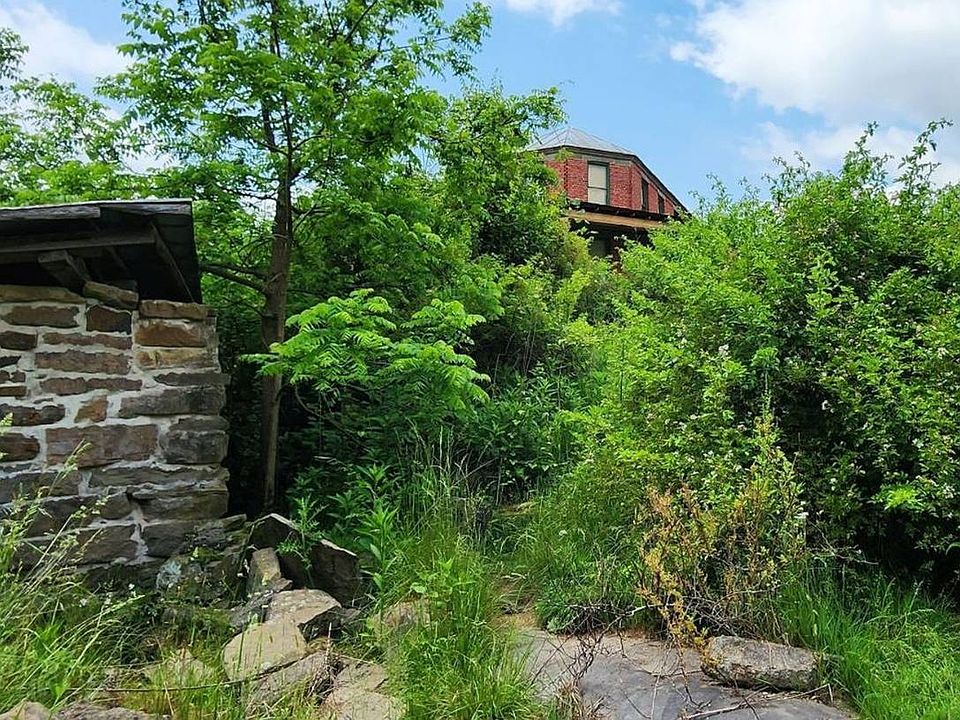
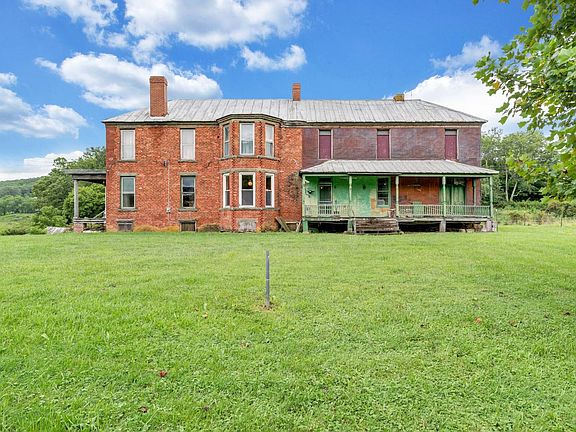
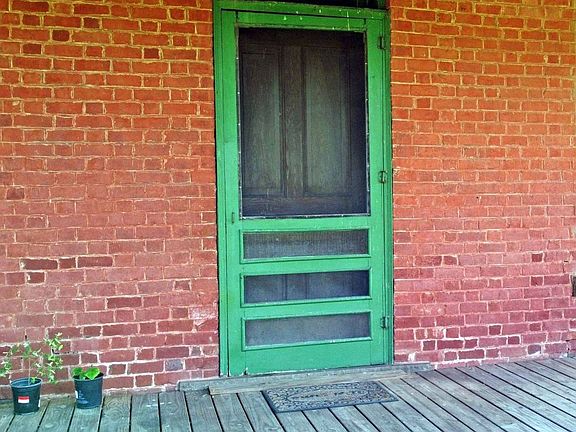
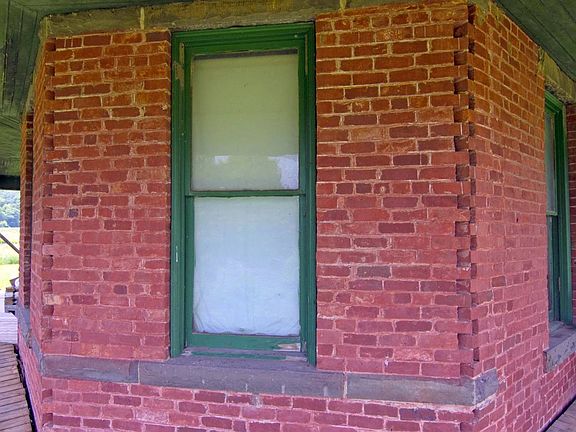
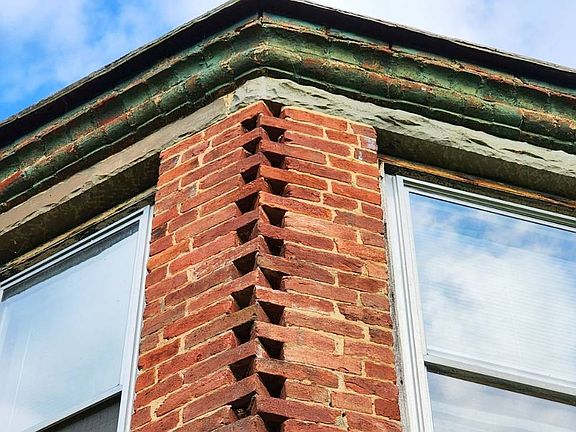
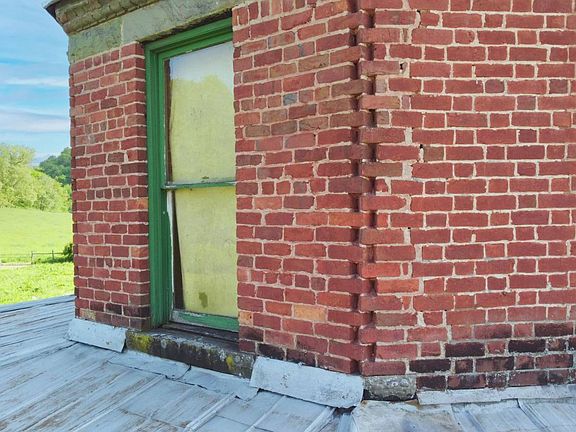
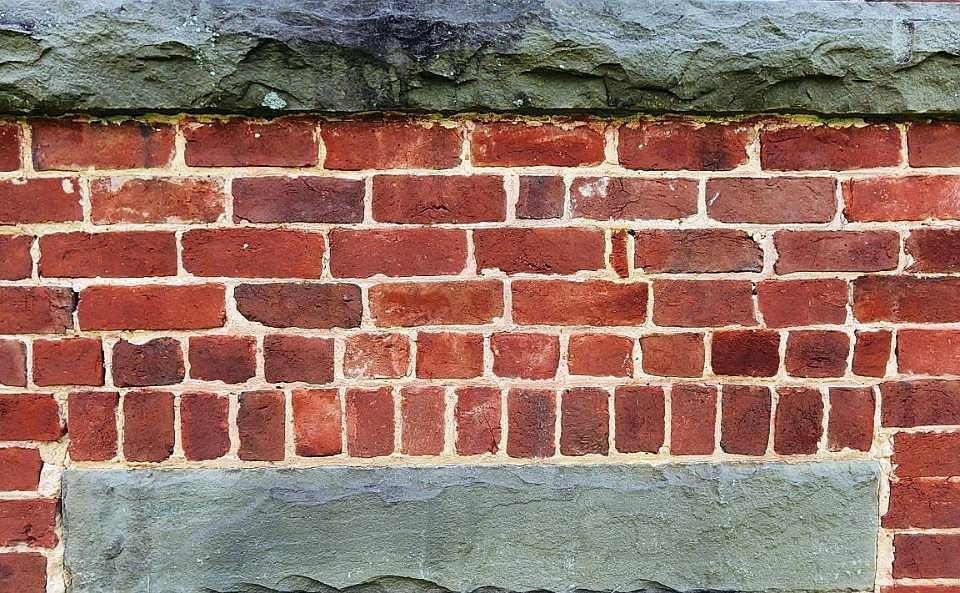
- Exterior: Authentic brick construction (bricks possibly fired by locally famous maker John Dunn)
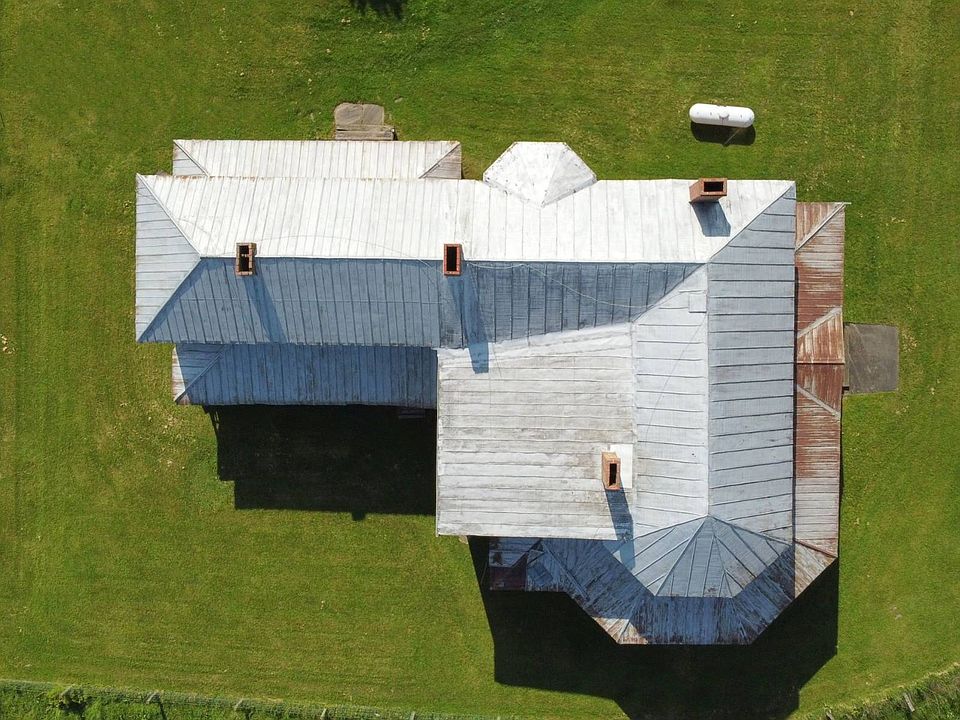
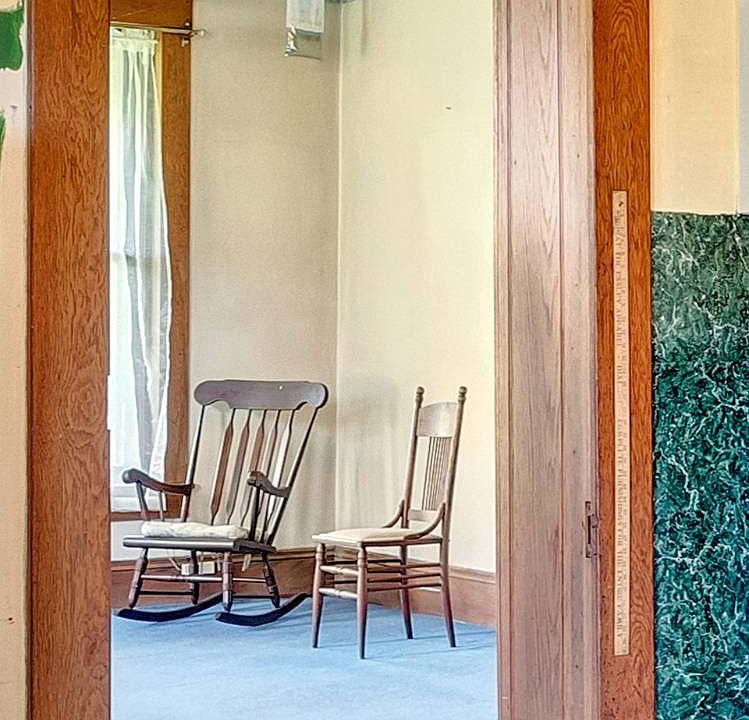
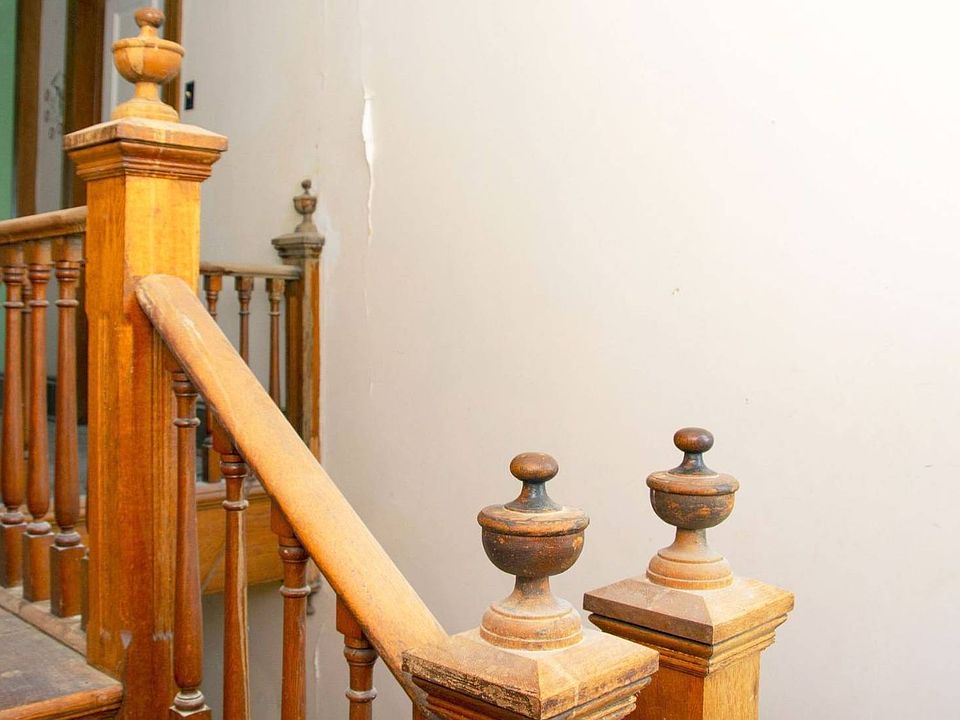
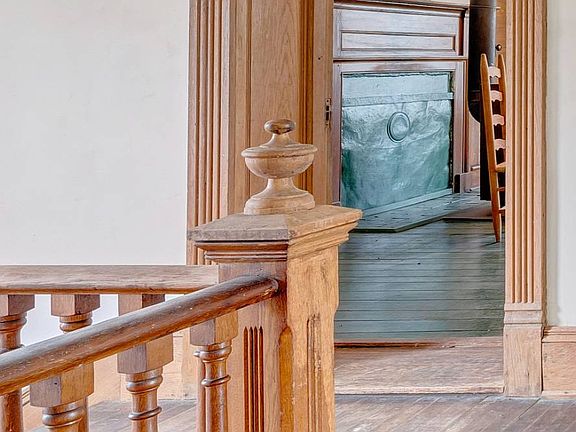
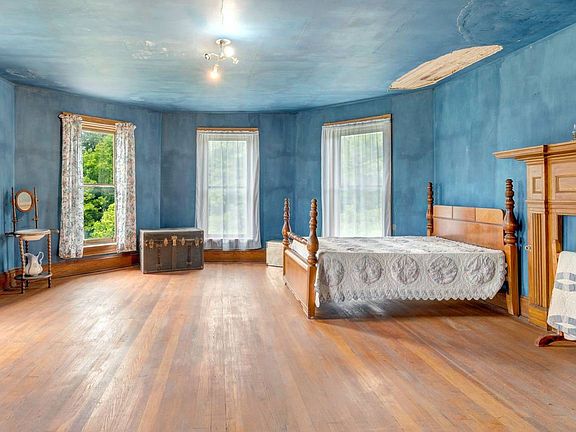
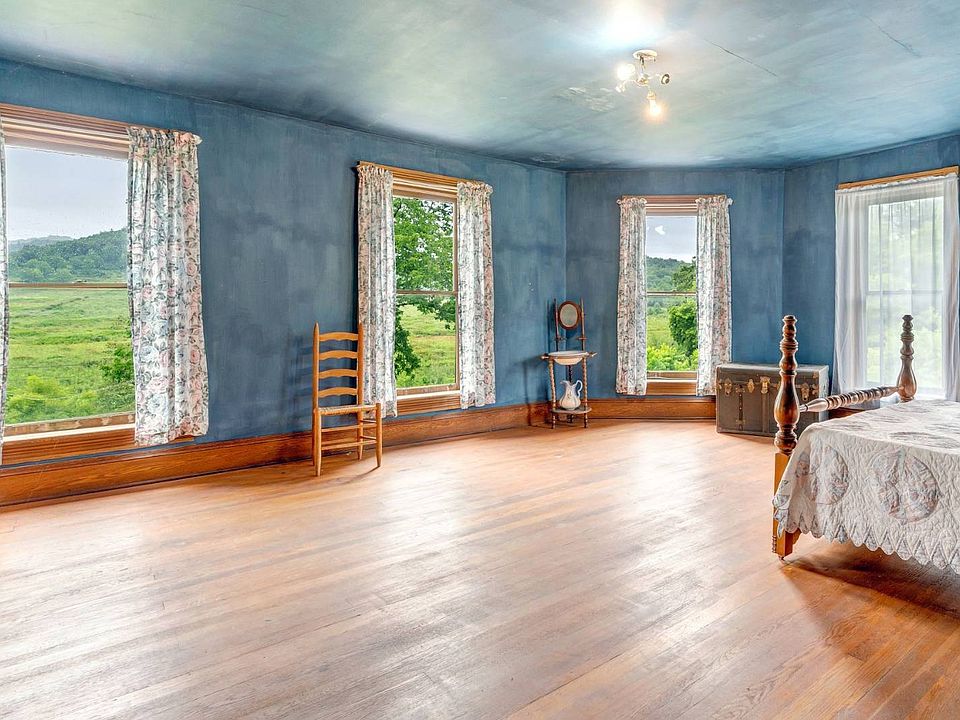
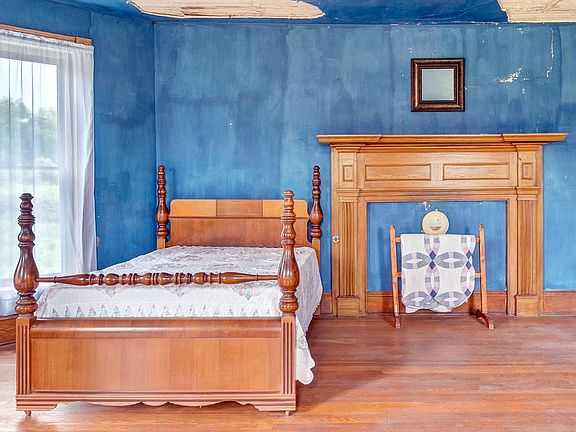
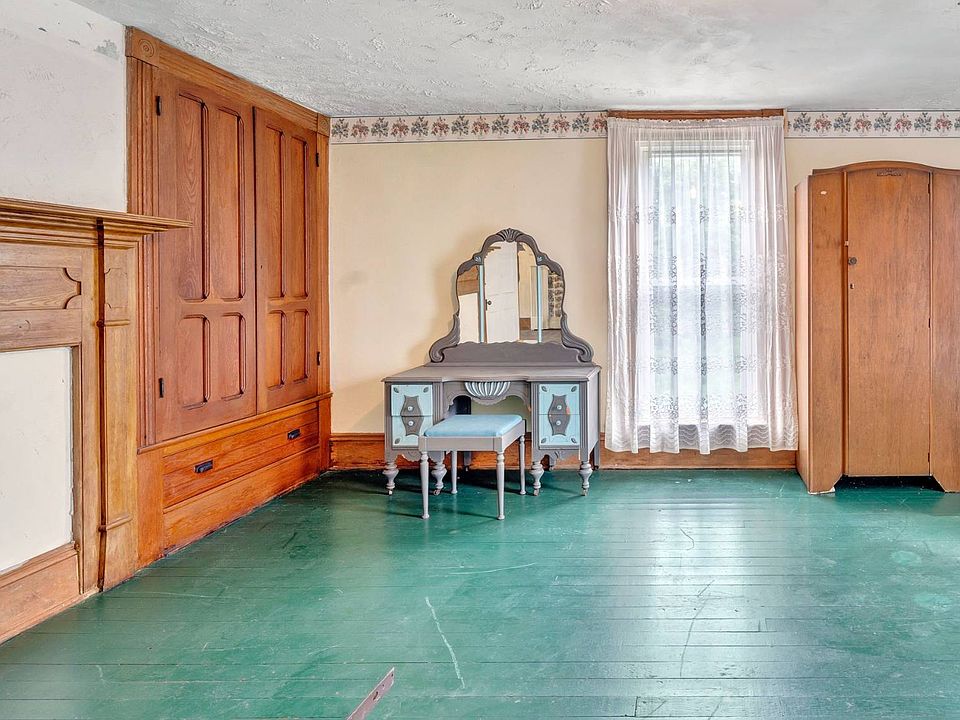
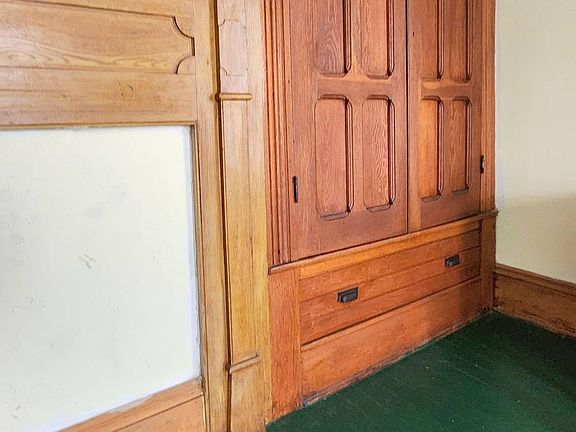
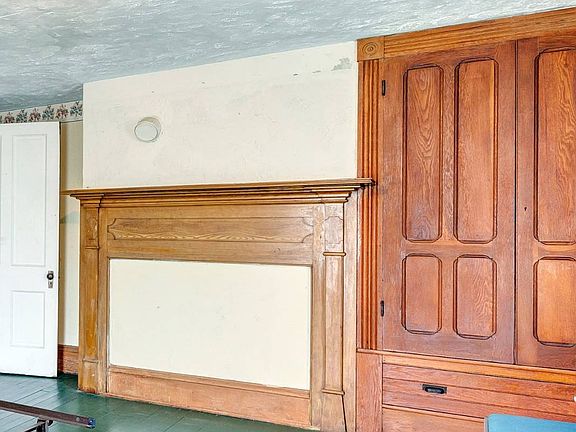
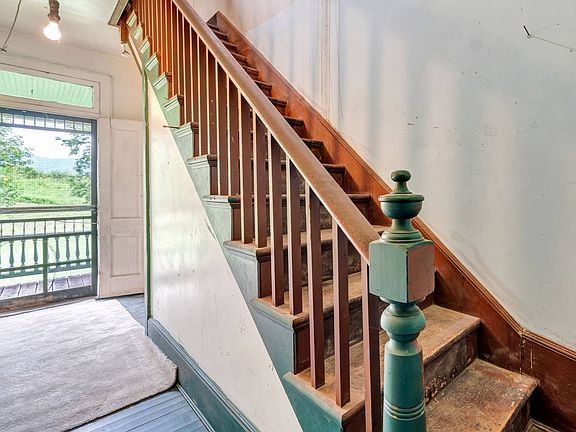
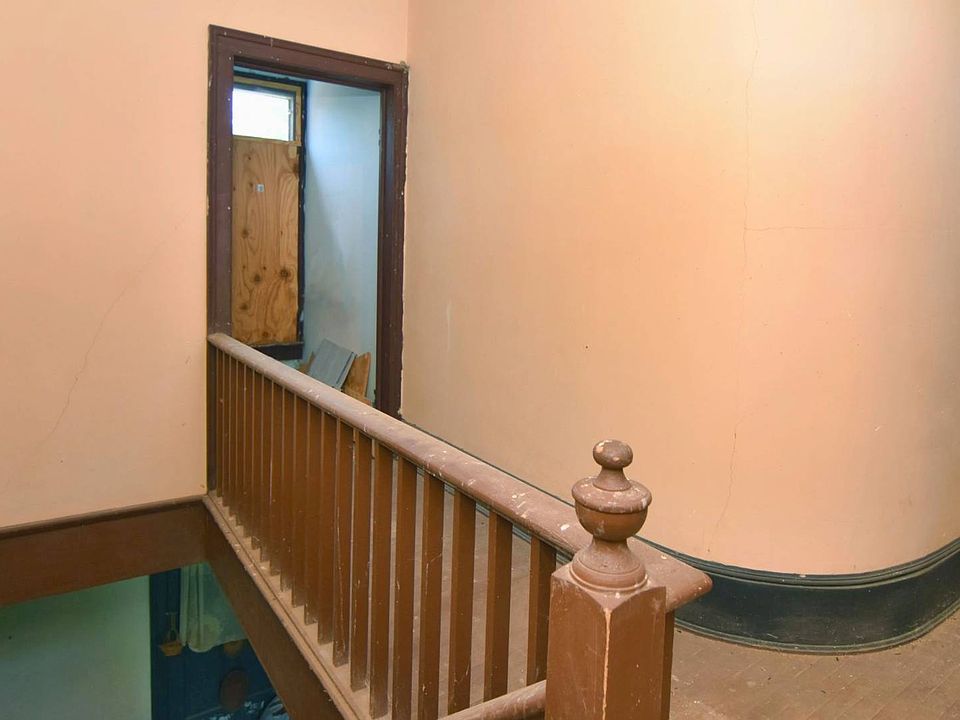
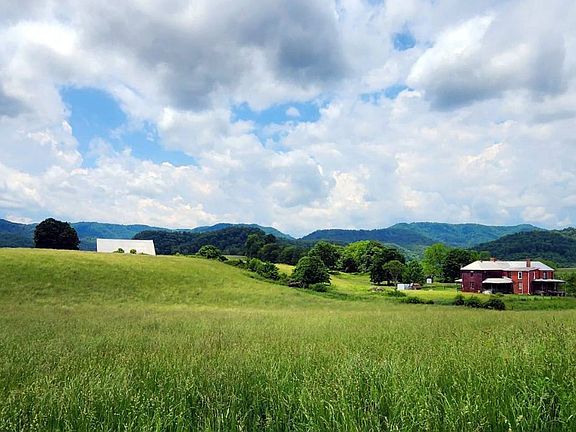
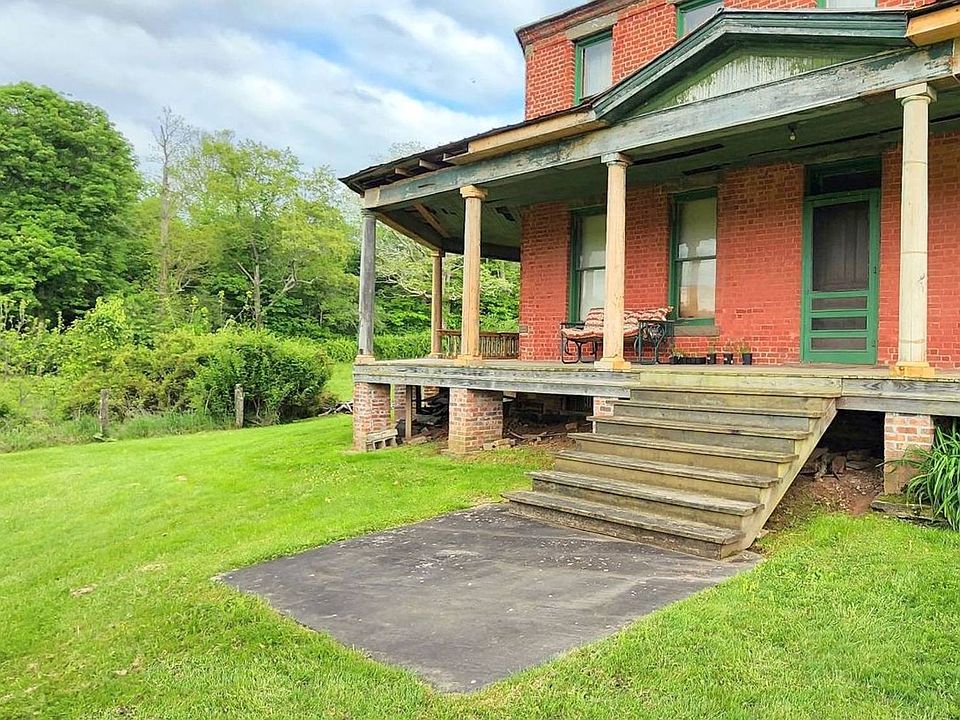
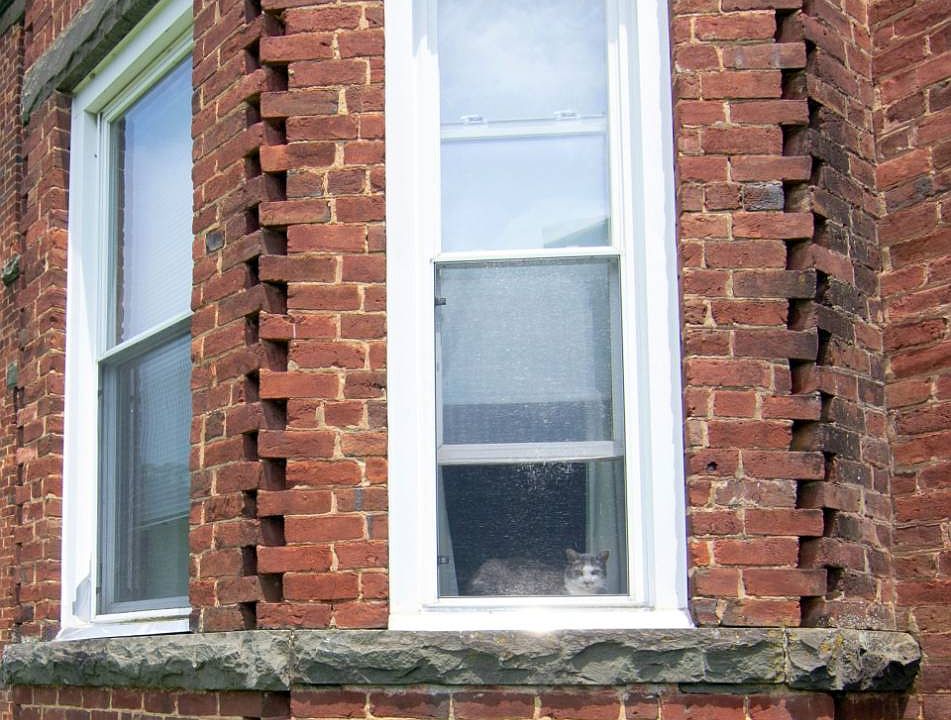
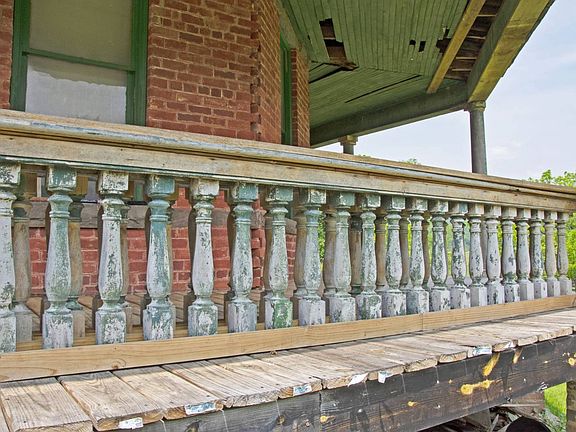
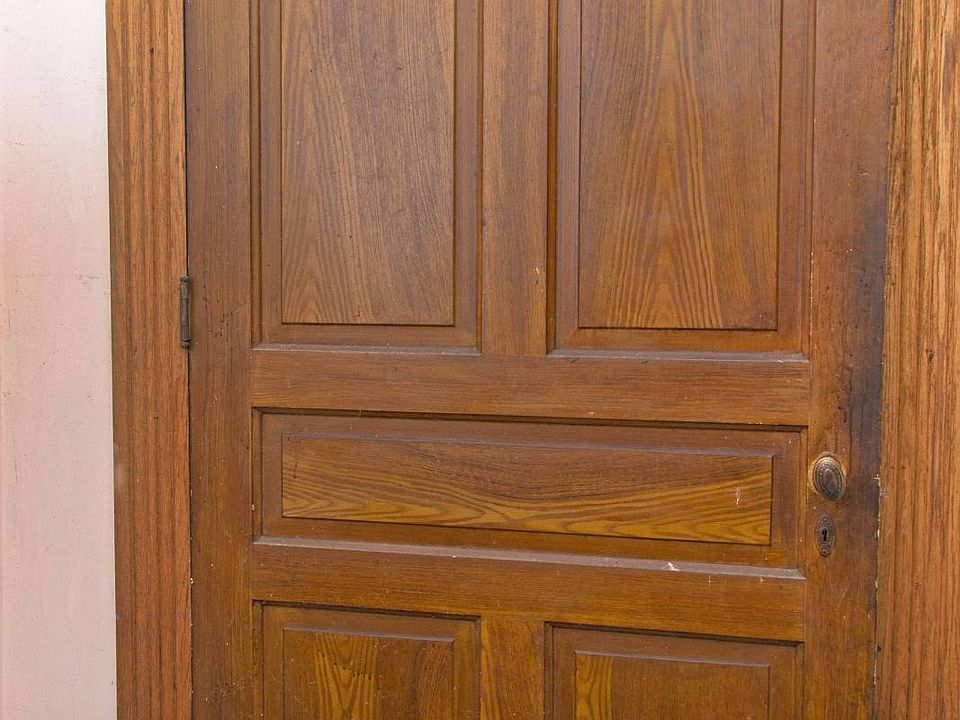
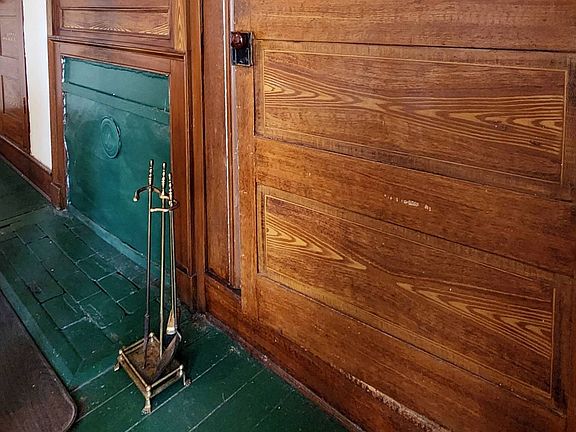
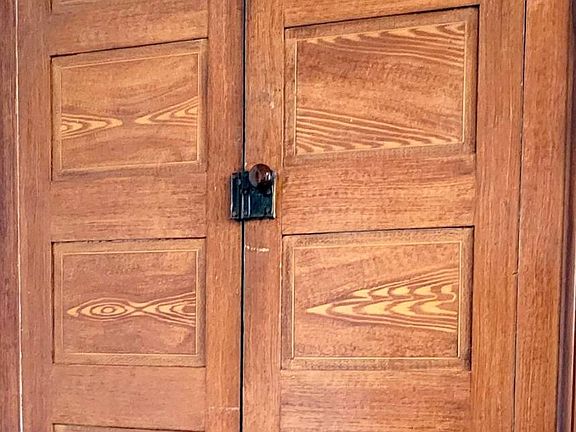
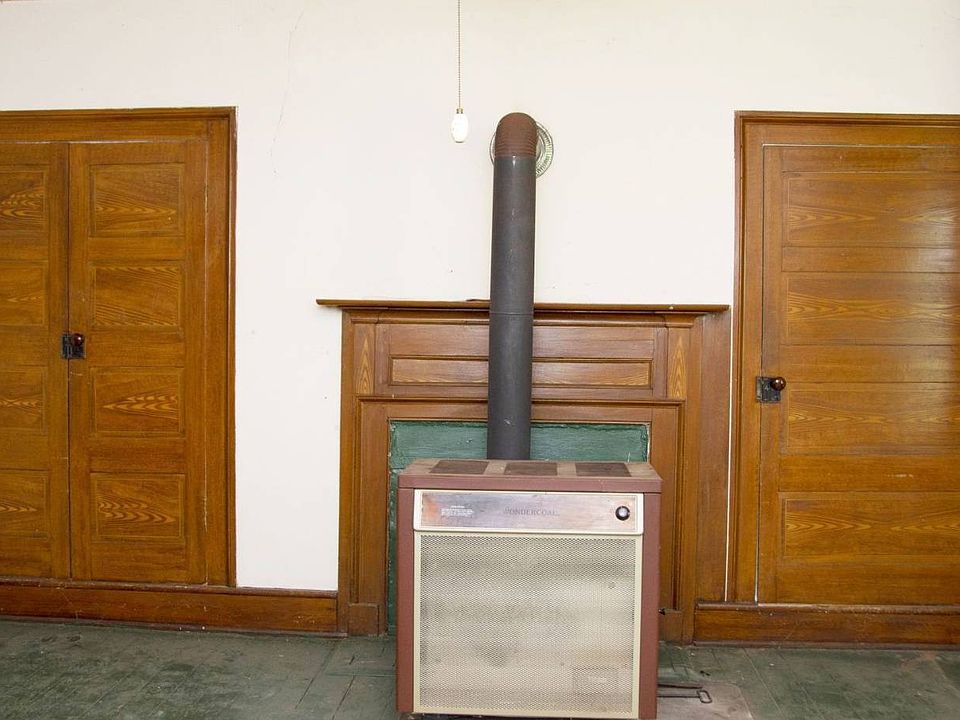
- Unique Features: Faux grain painting on upstairs woodwork, curved/polygonal projections, and a hipped roof.
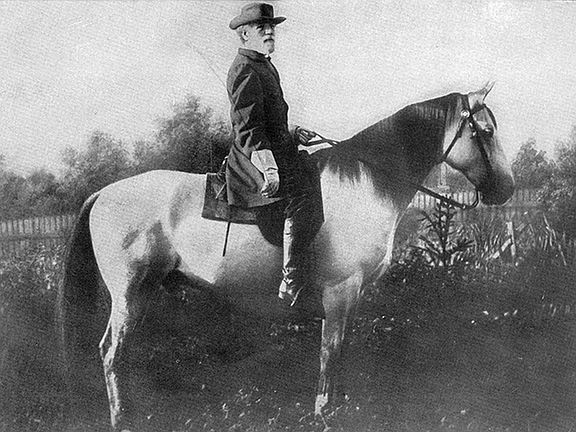
- Historical Note: This farm is the birthplace of “Traveller,” General Robert E. Lee’s famous war horse.
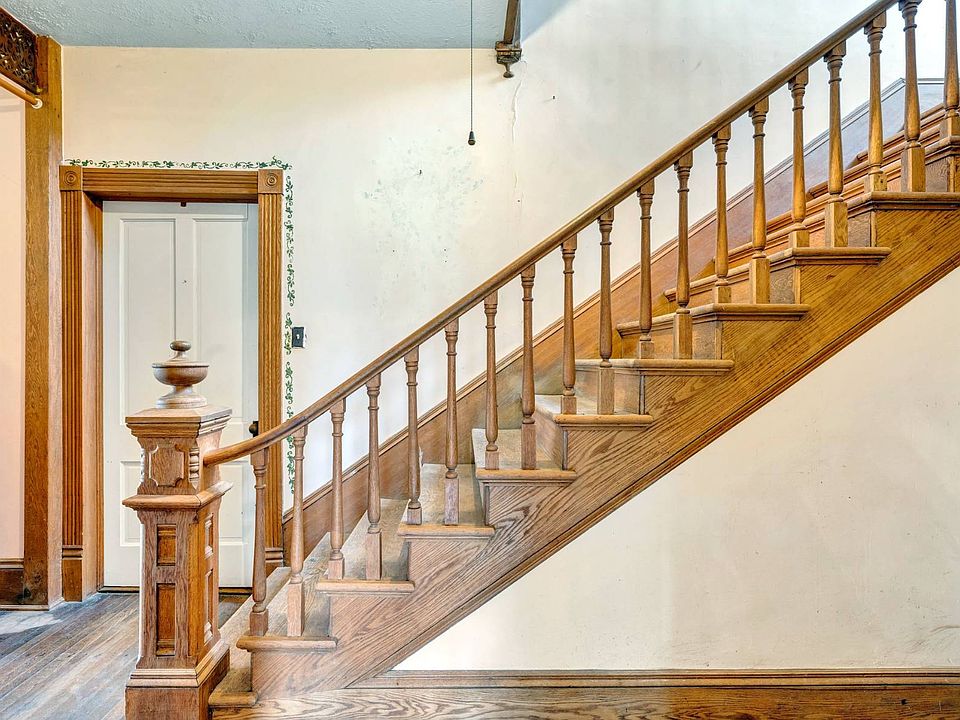
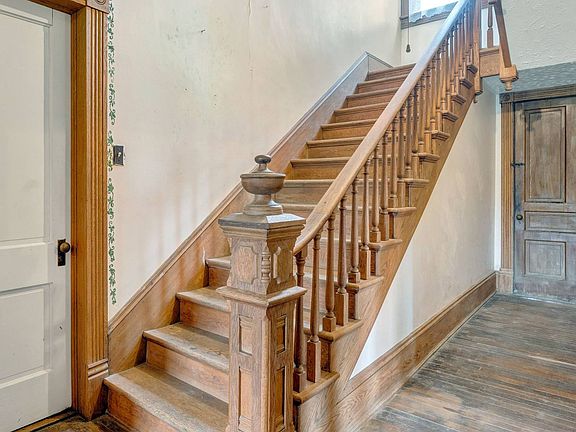
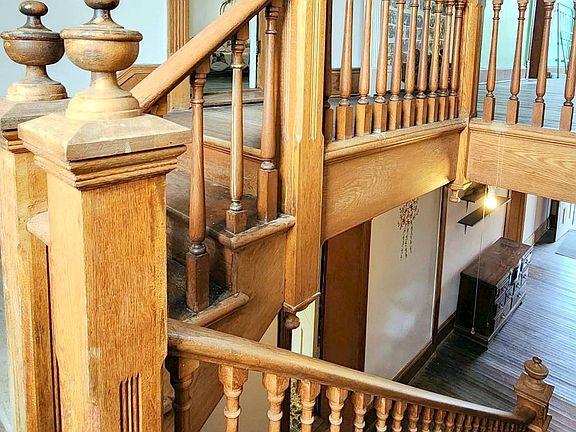
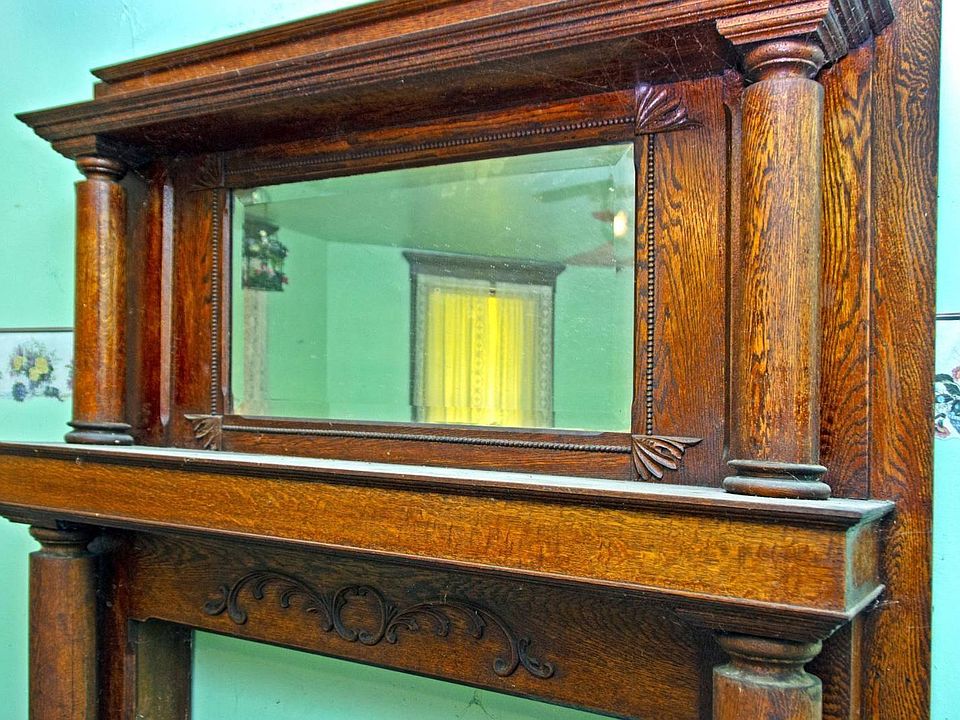
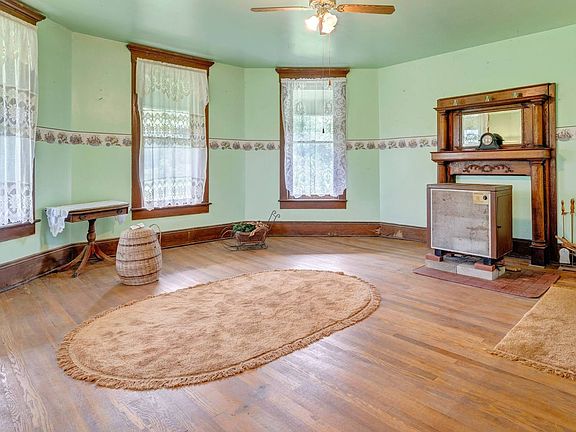
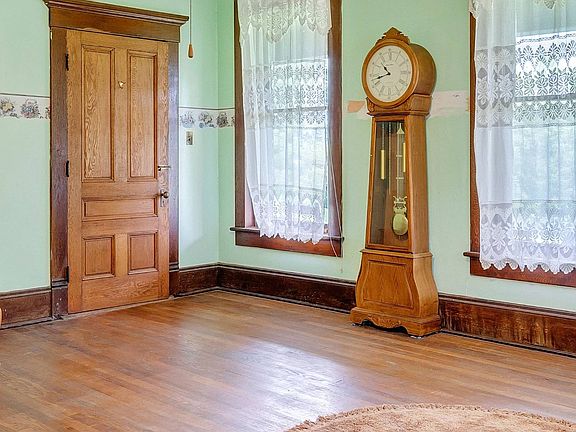
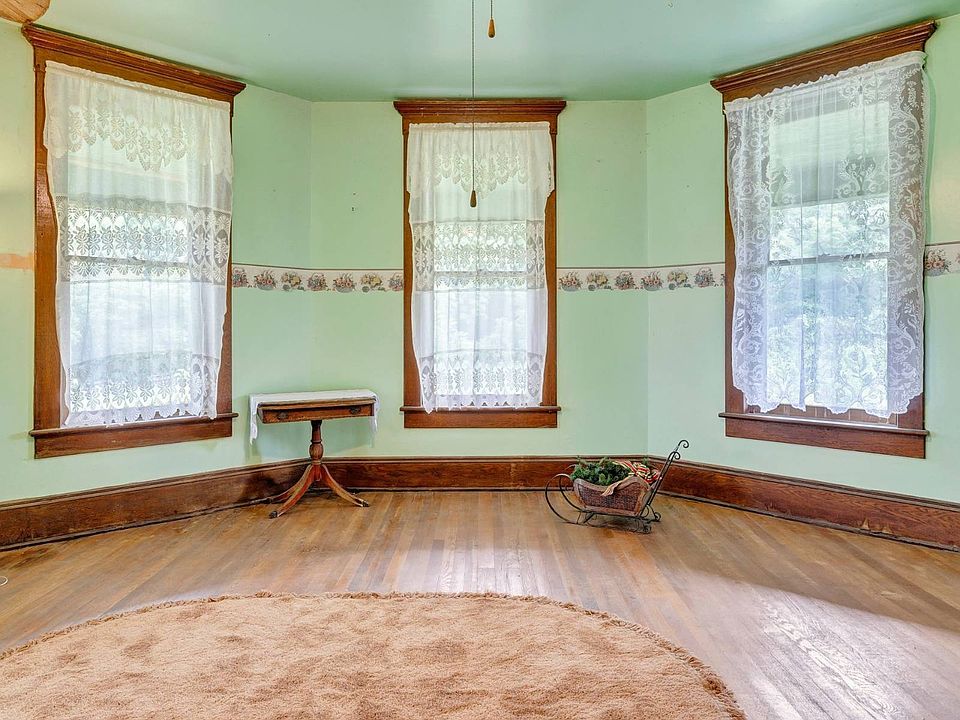
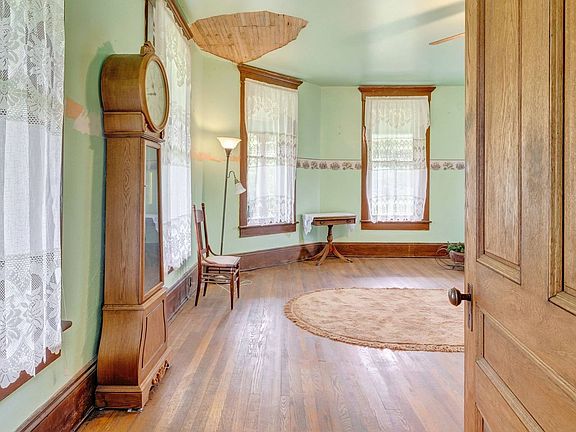
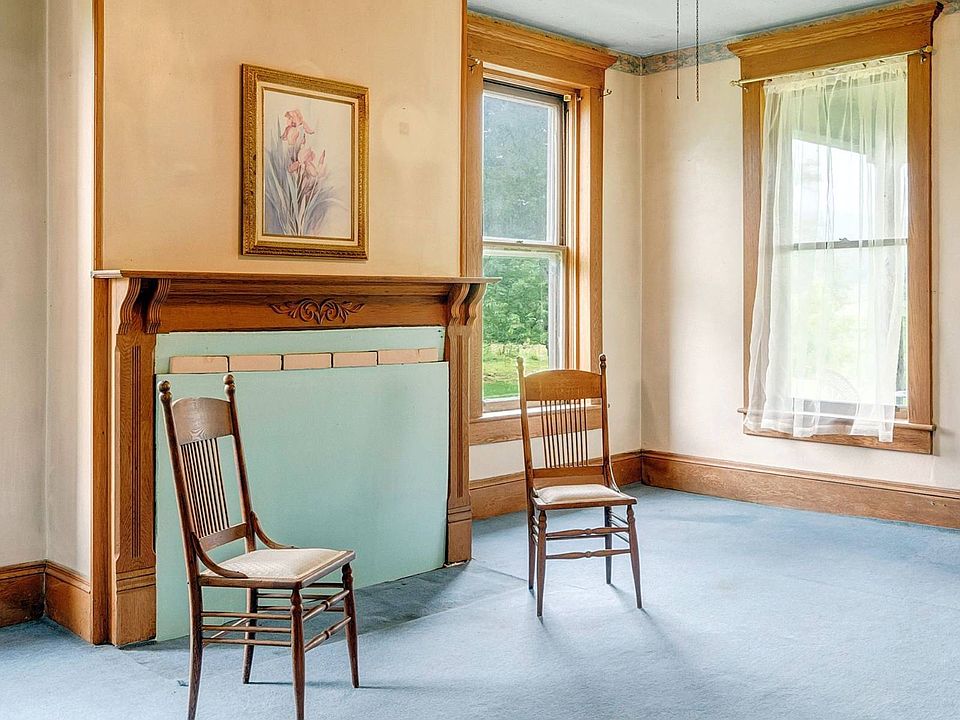
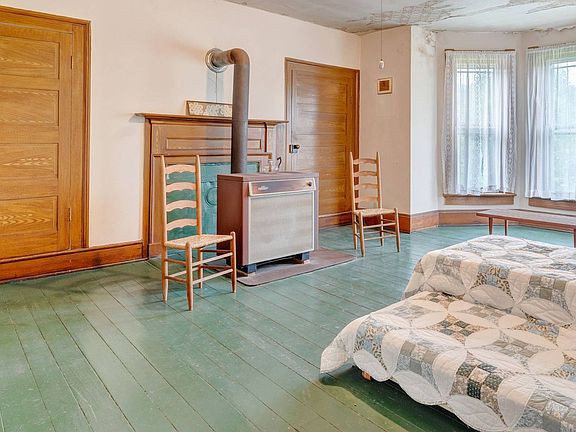
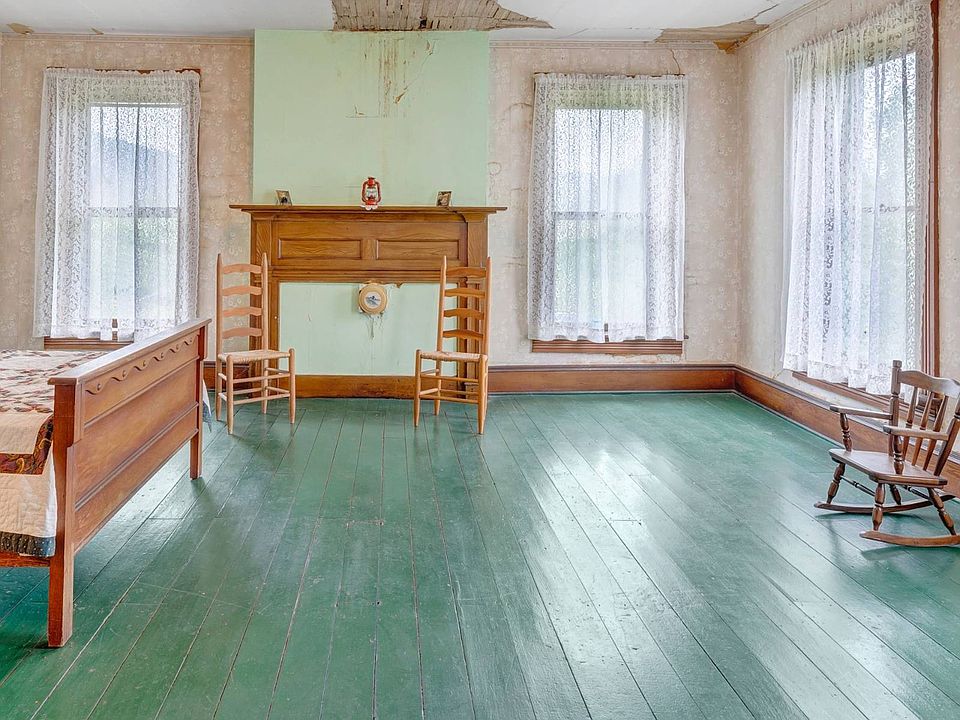
The interior showcases rare decorative elements like faux grain painting that have been preserved for over a century. History buffs will find this house for sale to be a rare gem, as it has changed ownership only three times in the last 170 years.
Land & Exterior Features
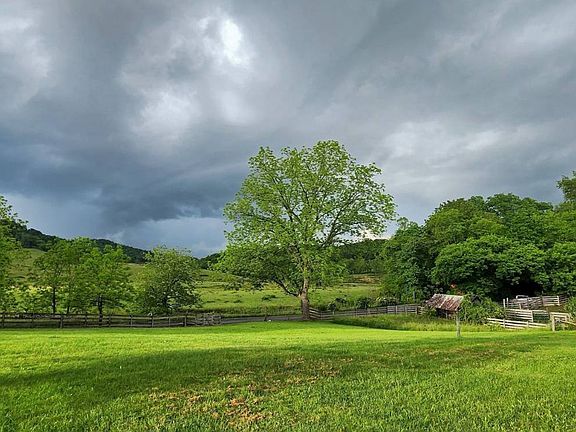
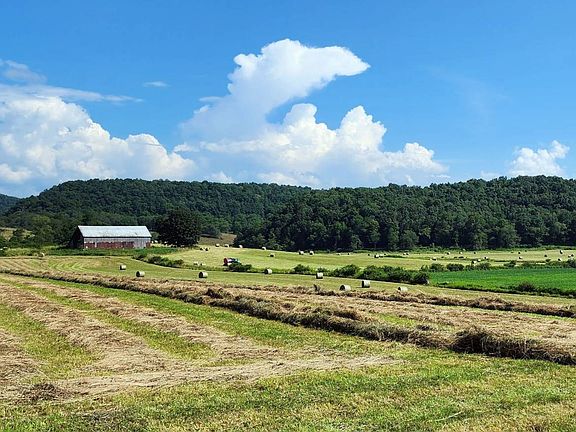
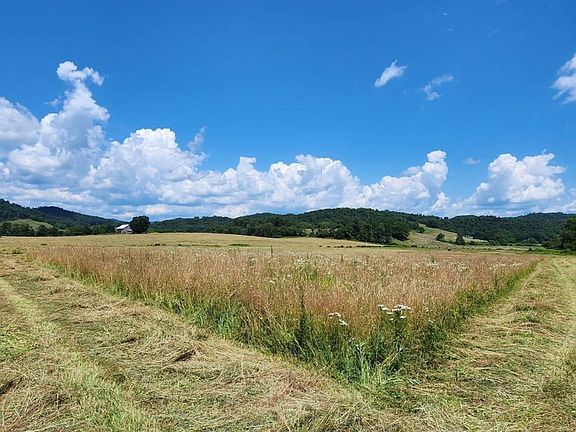
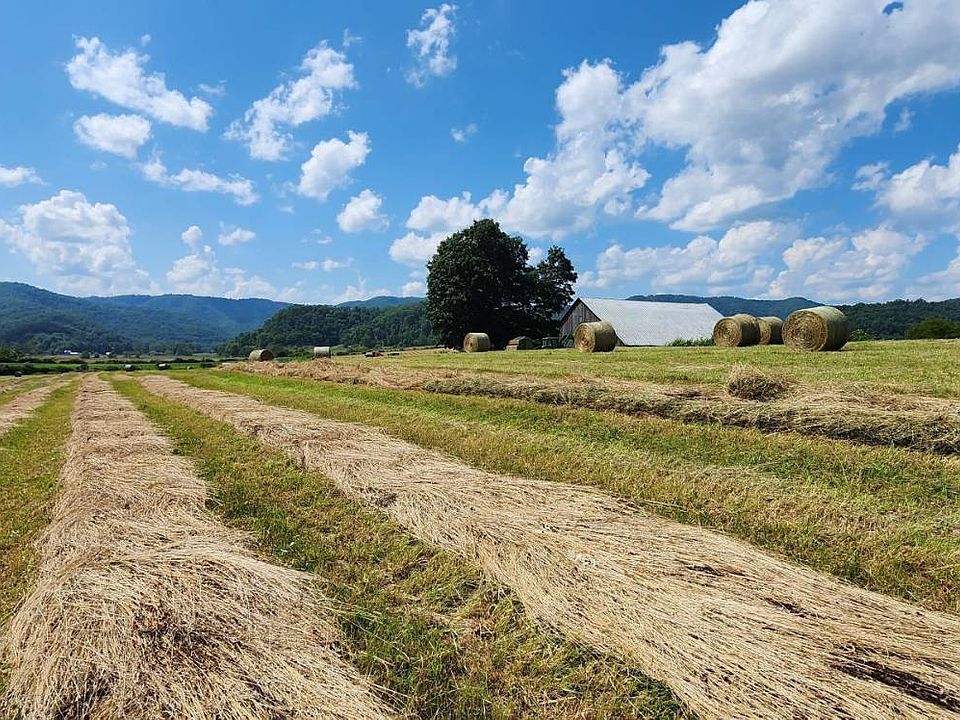
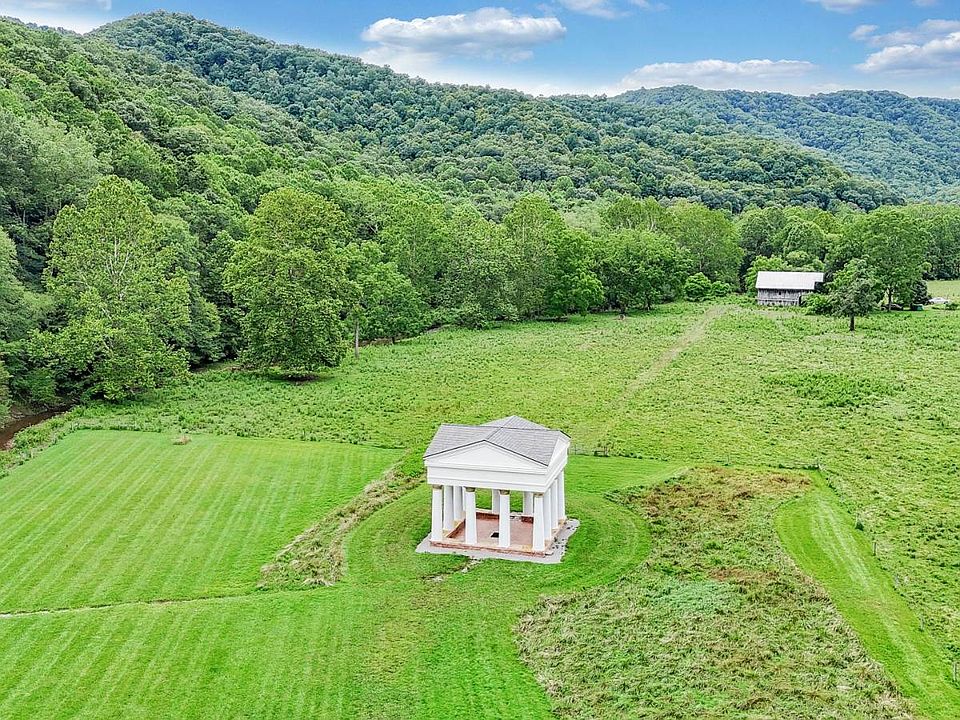
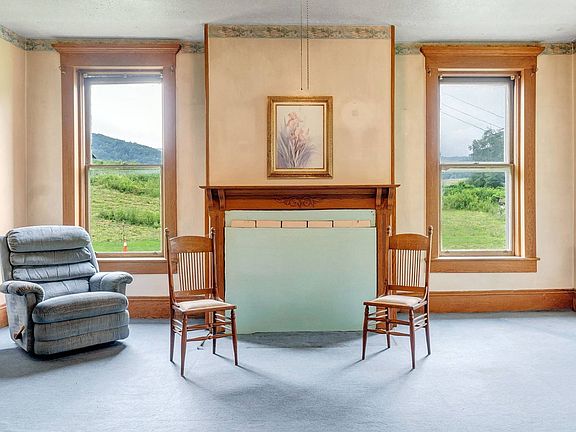
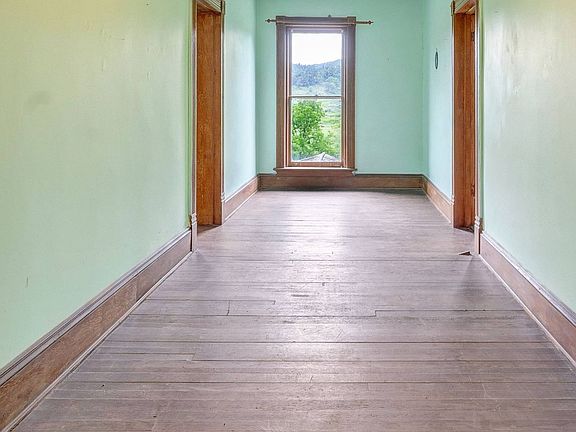
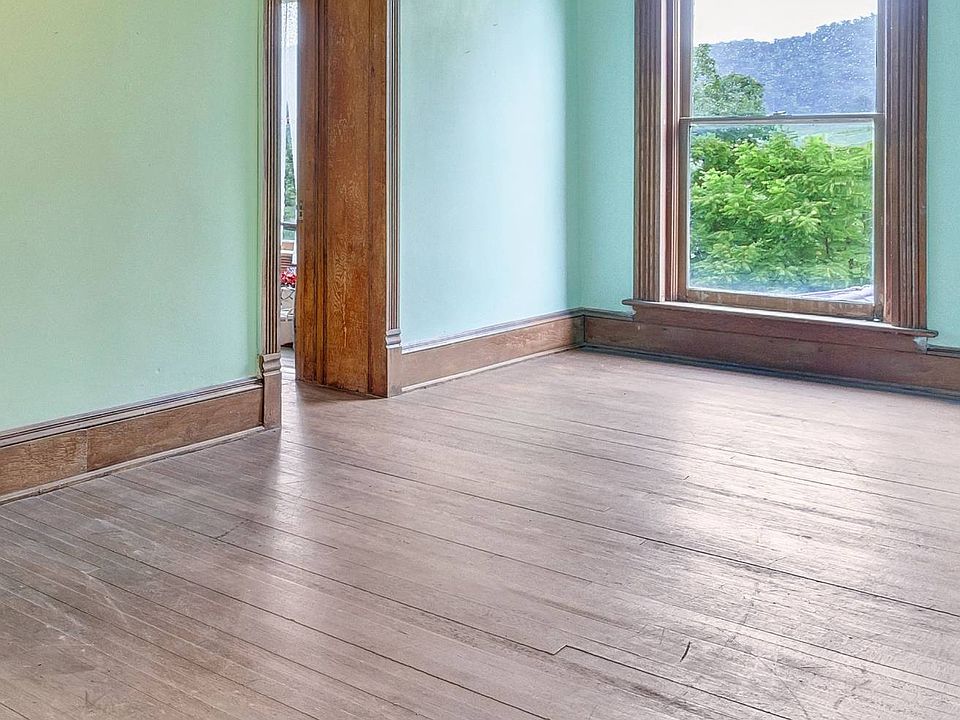
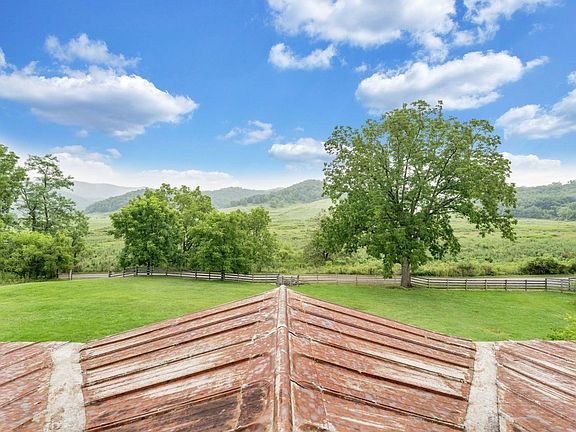
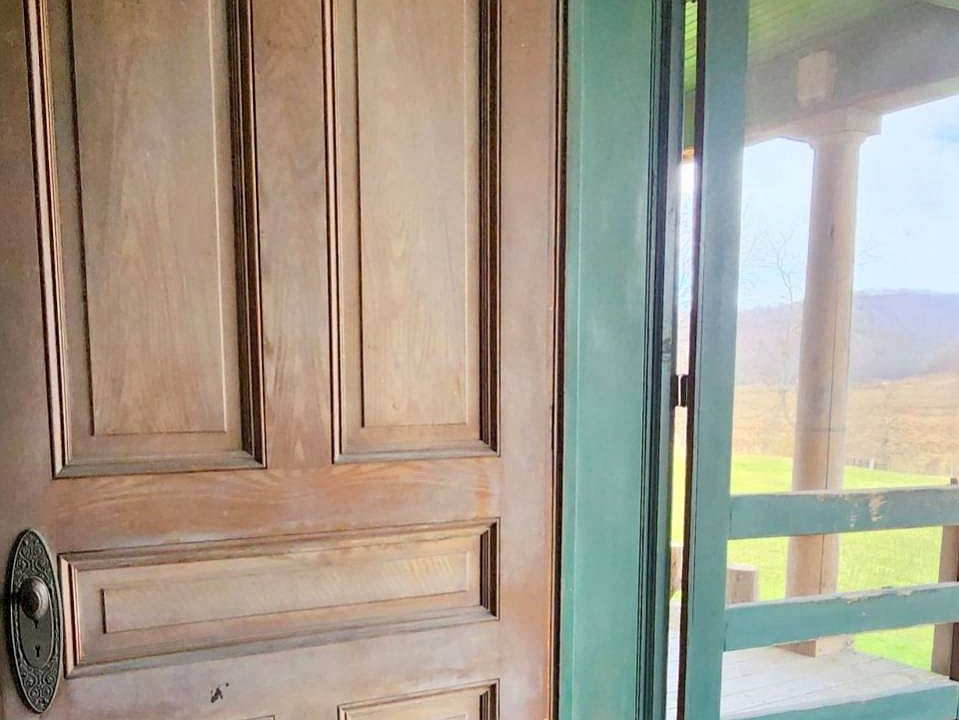
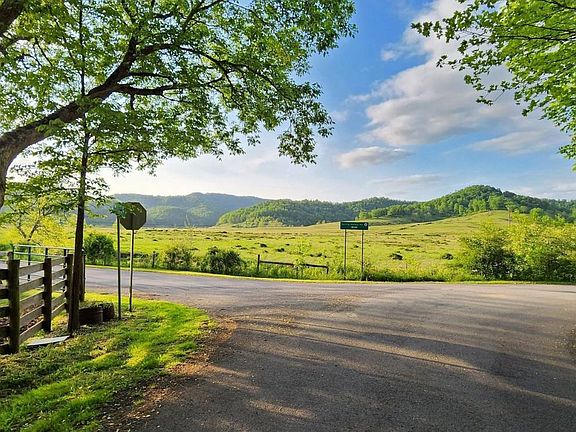
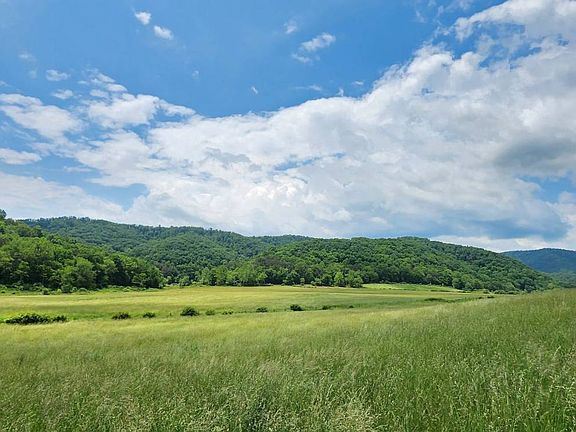
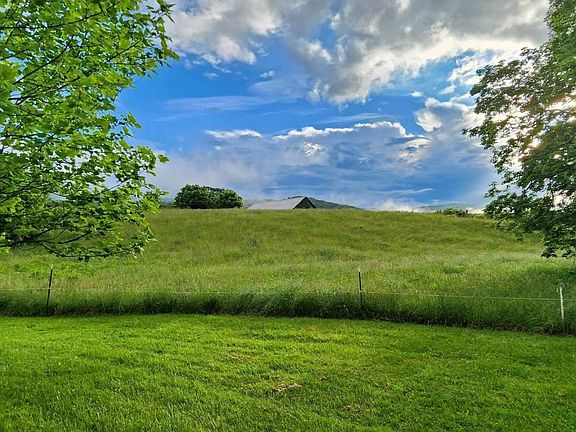
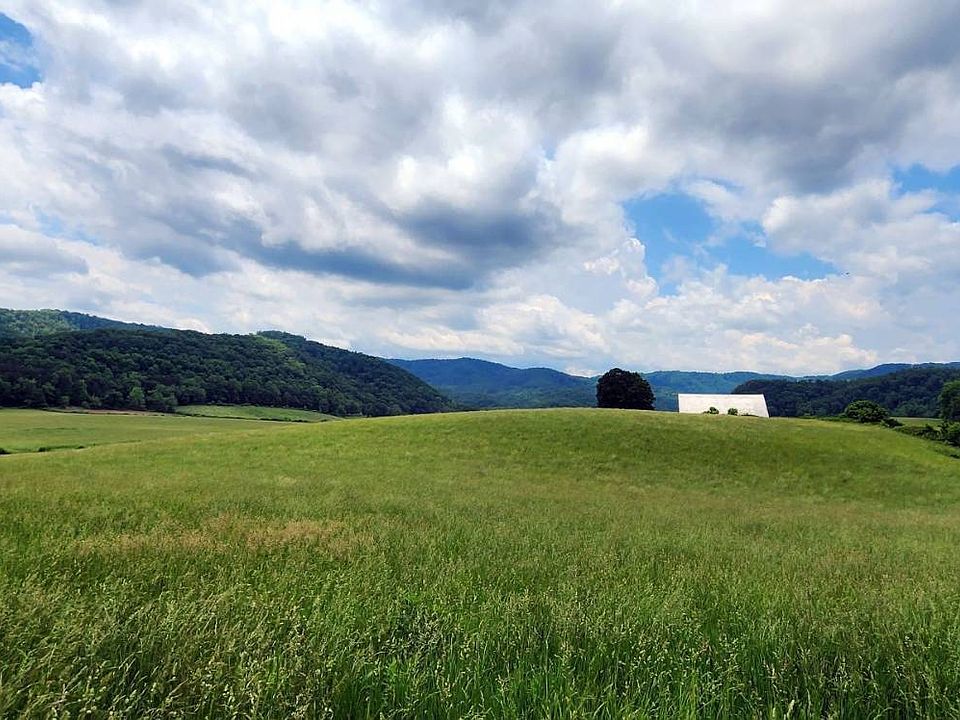
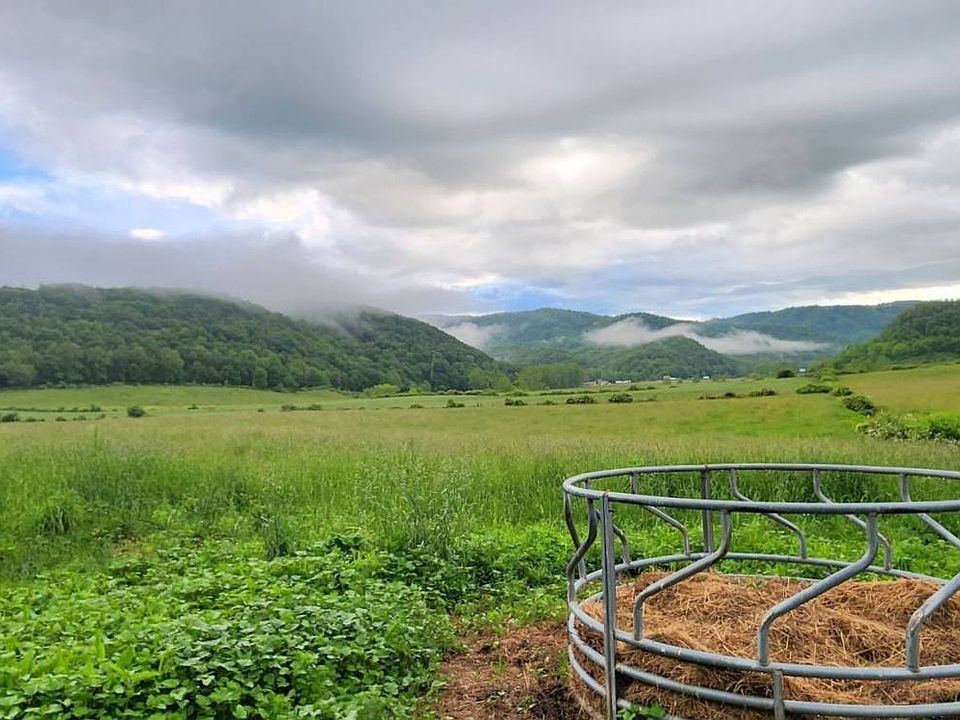
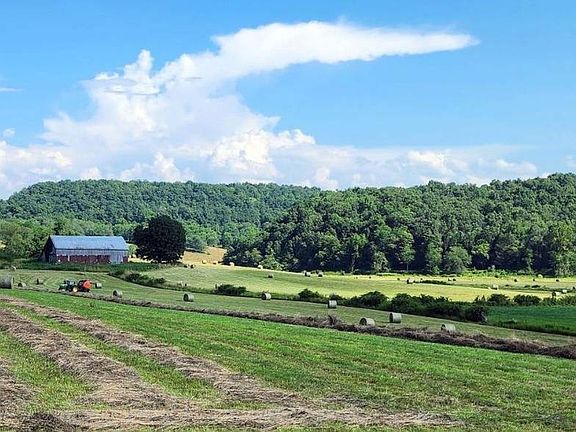
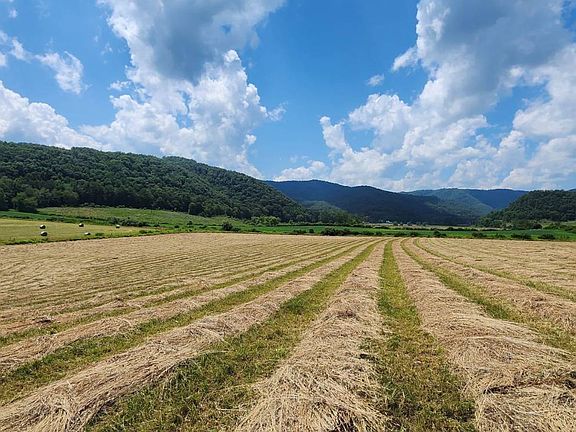
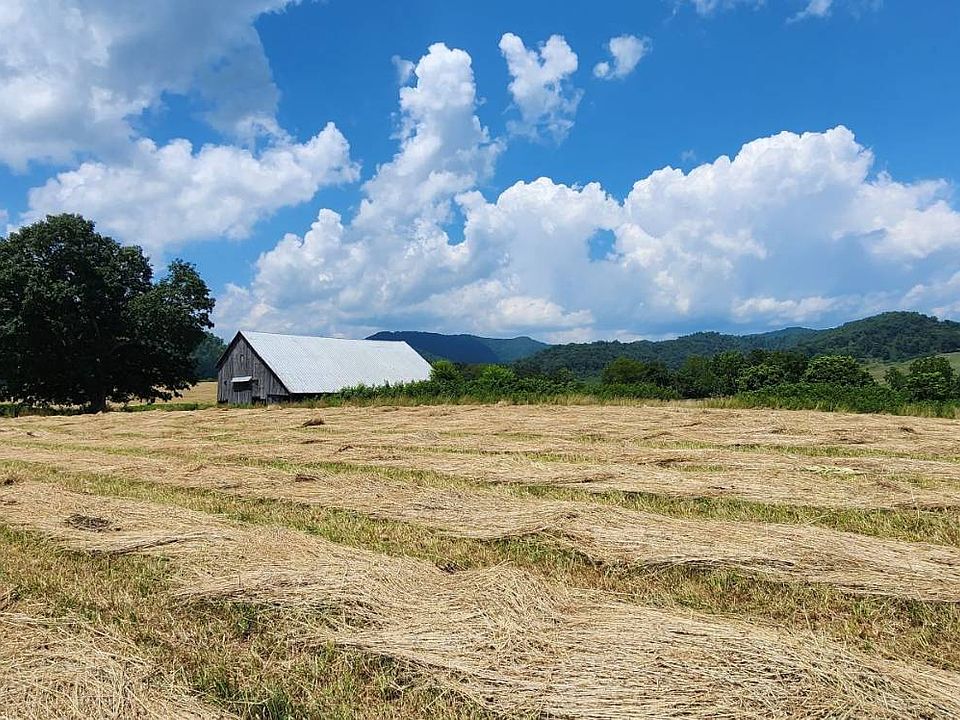
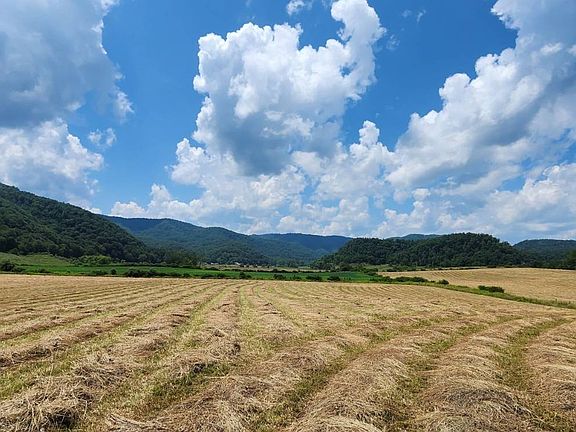
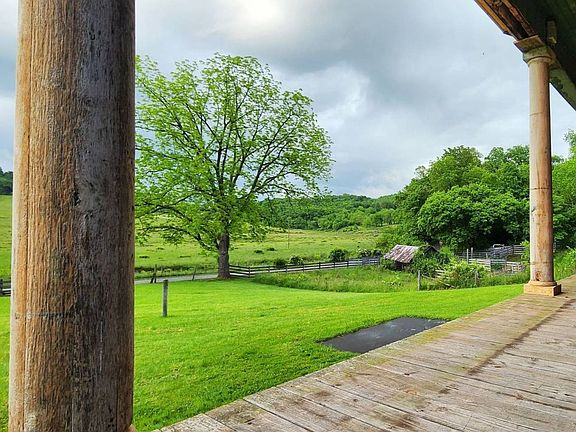
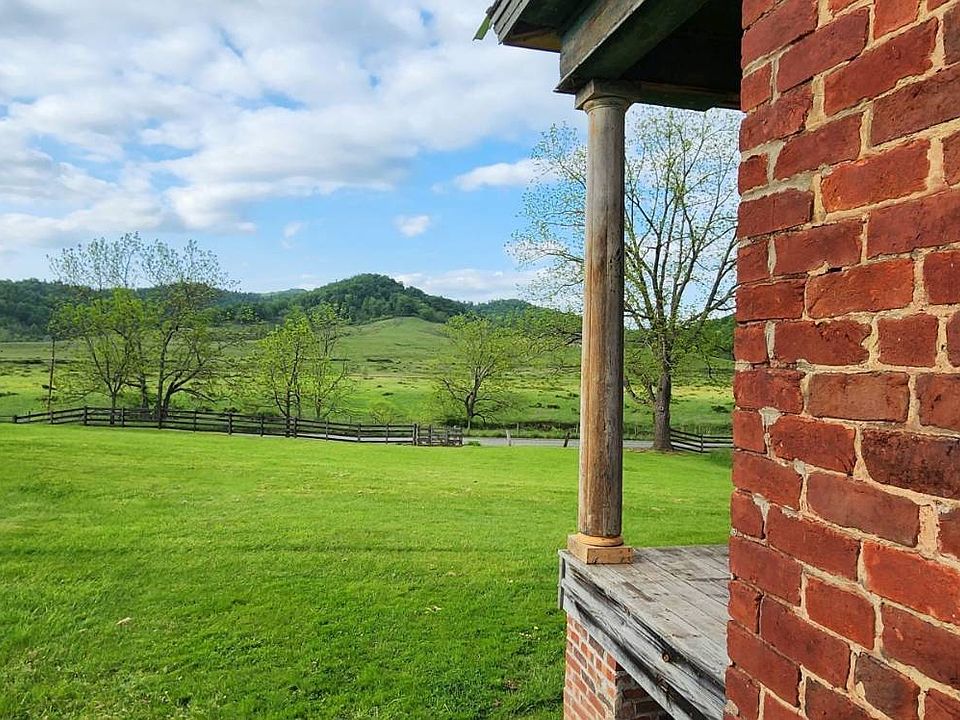
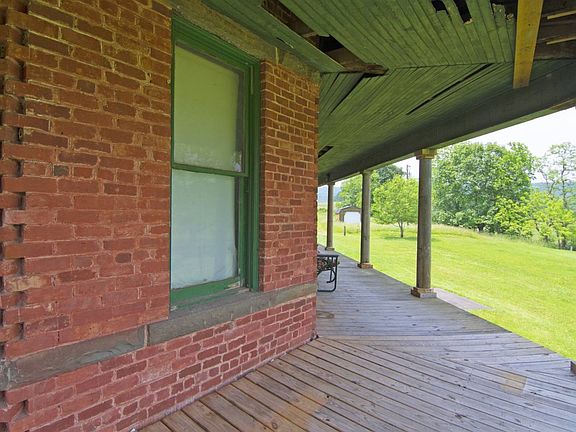
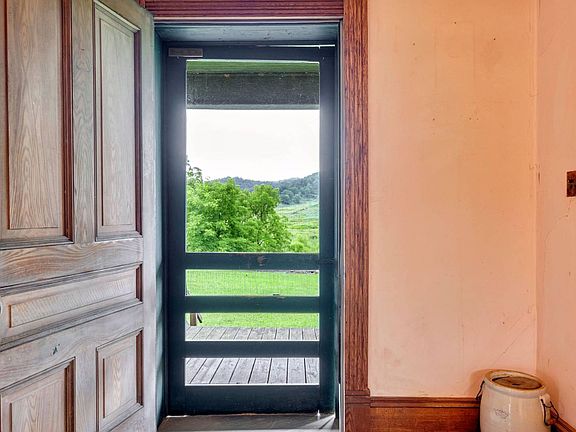
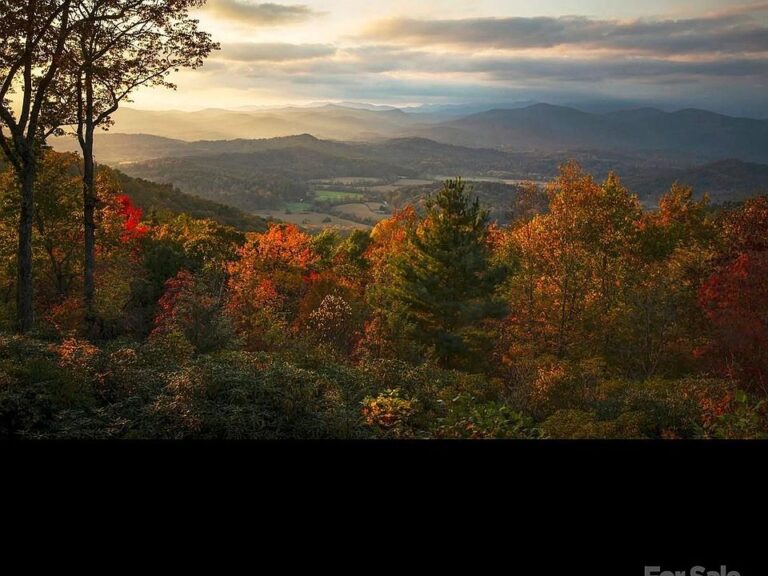
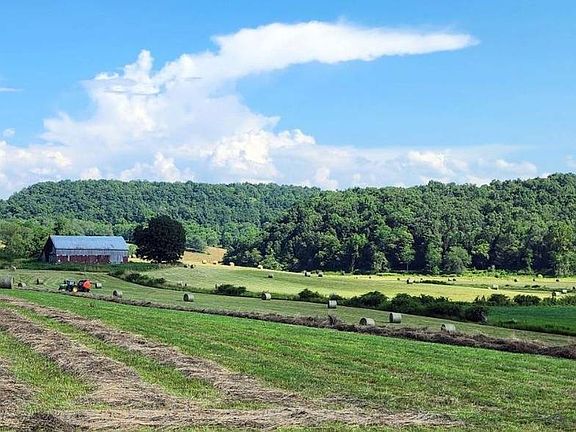
- Views: Panoramic views of the mountains, woods, and farm pastures.
- Utilities: Private well and septic system.
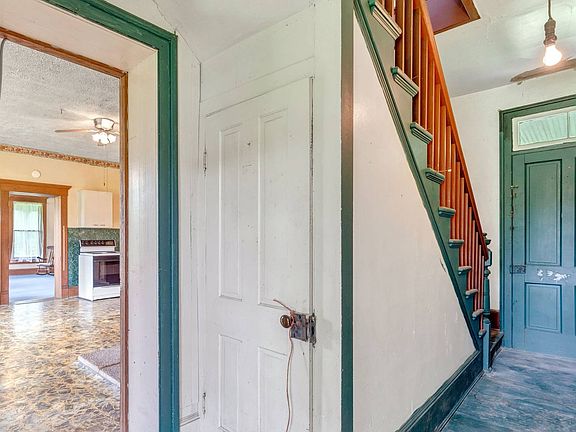
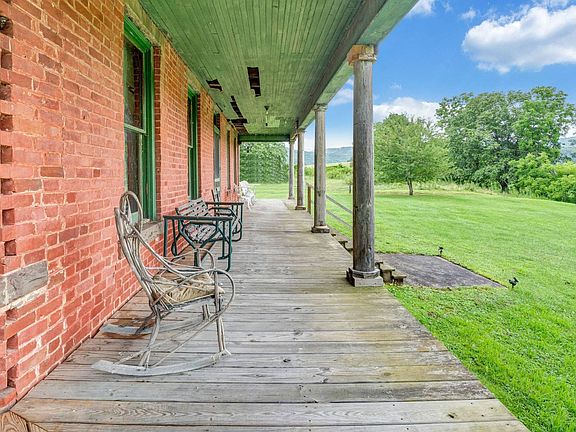
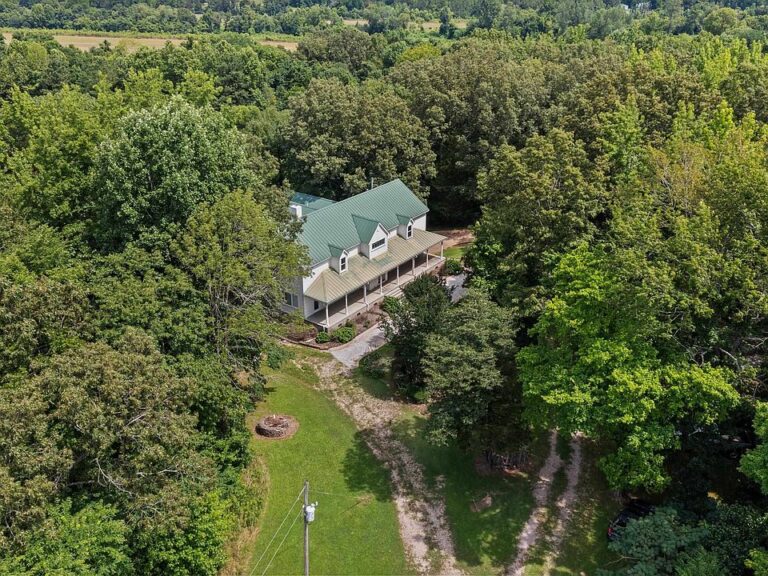
- Structure: Two-story masonry brick with a partial basement.
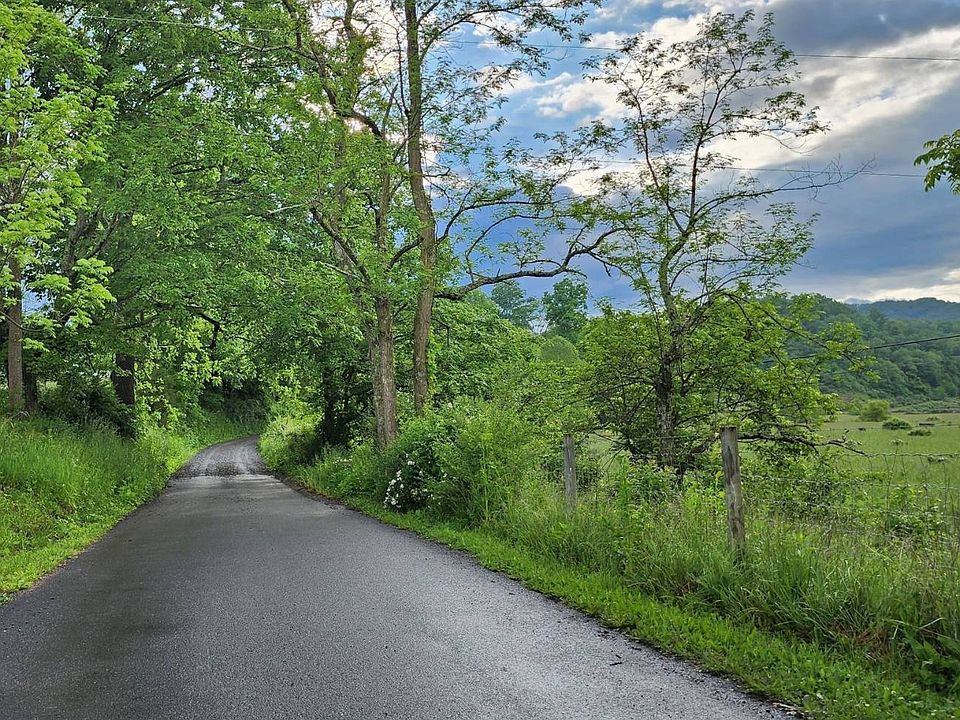
- Setting: Secluded rural setting located about 15 minutes from the I-64 Alta/Alderson exit.
The grounds offer incredible privacy and a picturesque landscape that is perfect for farming or a quiet retreat. If you are looking for a sprawling property for sale with deep historical roots and mountain views, this Alderson estate is a must-see.
From Zillow
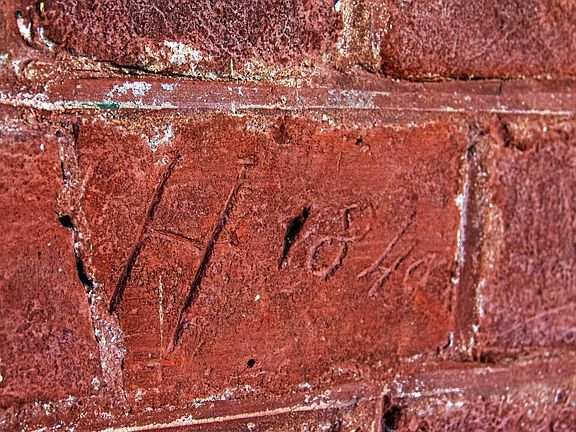
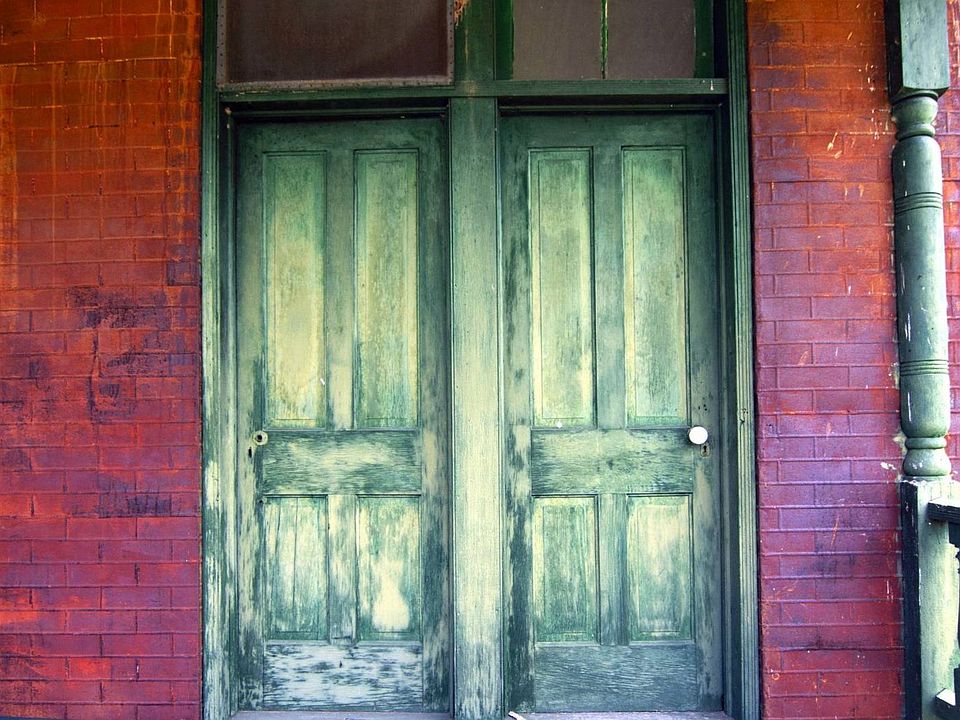
THE BRICK HOUSE (HAMILTON/JOHNSTON/JARRETT/FLESHMAN FARM) By Margaret Hambrick, Local Historian Major William Hamilton likely came to the Greenbrier Valley in 1769 and moved to the Blue Sulphur area in 1773. He married Isabelle Clements. He built a log cabin on this farm and lived to be 81 years old (Dayton 1942: p 262). As the family’s wealth increased, the Brick House was built by either son Andrew Hamilton who married Delilah Jarrett or son Jacob Hamilton. Dated by a brick near the front door which says "1840", this house shows its roots in the Adam style including "having curved or polygonal projections to the side or rear" (McAlester 1994: p 153).
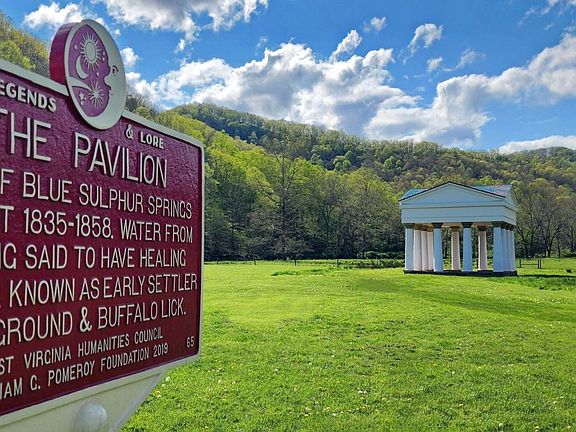
The use of a hipped roof was not uncommon to this style. The once detached kitchen was incorporated into the house using a breezeway with living space added behind and above the kitchen. The bricks may have been fired and laid by locally famous brickmaker John Dunn. He is known to have made the bricks for the Blue Sulphur Springs Resort and what is more likely than, while there, he was also engaged to make the bricks for this house. While the outside retains its Adamesque characteristics, the inside shows evidence of style change and renovation. The faux grain painting on the woodwork in the four main upstairs rooms is a remarkable example of this style of decoration. THREE OWNERS IN 170 YEARS The historic Brick House has changed ownership just three times in the past 170 years.
The Hamilton family built the home circa 1840. Hamilton’s then sold the Brick House to the Johnston – Jarrett family in 1855. The Johnston-Jarrett family owned the home from 1855 until selling it to the Fleshman family in 1949. The Fleshman family has now owned the Brick House for 76 years. Timeline of ownership – Andrew D. Johnston purchased the farm from Jacob Hamilton in 1855. Johnston left the farm to his son, Thompson Hickman Jarrett. The farm was inherited by T. H. Jarrett’s daughter Pauline Jarrett Huff. Mrs. Huff and her children sold the farm to Lewis A. Fleshman in 1949 (Deed Book 169: p 558).
It is currently owned by Doris Fleshman Griffith. Of note: Thompson Hickman Jarrett who served three terms in the WV Legislature and was Sheriff of Greenbrier County from 1906 to 1912. TRAVELLER – GEN. ROBERT E. LEE’S WAR HORSE Traveller, General Lee’s war horse, was born on this farm, known as the Hamilton Farm, in 1857 in the Blue Sulphur Springs Valley. Traveller was an American Saddlebred and as a colt, he took top honors at the Lewisburg, Virginia, fairs in 1858, 1859 and 1860. As an adult, Traveller was a sturdy horse, 16 hands tall, Iron gray in color with black points, a long mane and flowing tail.
From all accounts, Traveller was difficult, high-strung, a bit unruly, and pranced or jigged wherever he went. General Lee first saw the horse when he took command of Confederate troops near Big Sewell Mountain, along the Midland Trail (Route 60) under a tree that came to be known as "Lee’s Tree" (Pendleton 2004: p 14). At that time, Traveller had been sold to Captain Joseph M. Broun by Captain James W. Johnston, to whom the horse had been gifted by his father, Andrew Johnston. Lee later bought Traveller from Major Broun for the sum of $200 Confederate money (Pendleton 2004: p 16).
Lee rode Traveller throughout the Civil War and his subsequent retirement. It is stated that Traveller went into battle more than any other Civil War horse. Traveller walked behind the hearse at Lee’s funeral and continued to be well cared for until his death in June 1871, just eight months after the death of General Lee. Traveller was trained by an enslaved person, Frank Wilson, who after emancipation changed his name to Frank Winfield Page (Pendleton 2004: p 13). Some of the early horse training equipment is on display at the North House Museum in Lewisburg.